The CleanImplant Project: Transforming clinical success through quality assurance and scientific innovation
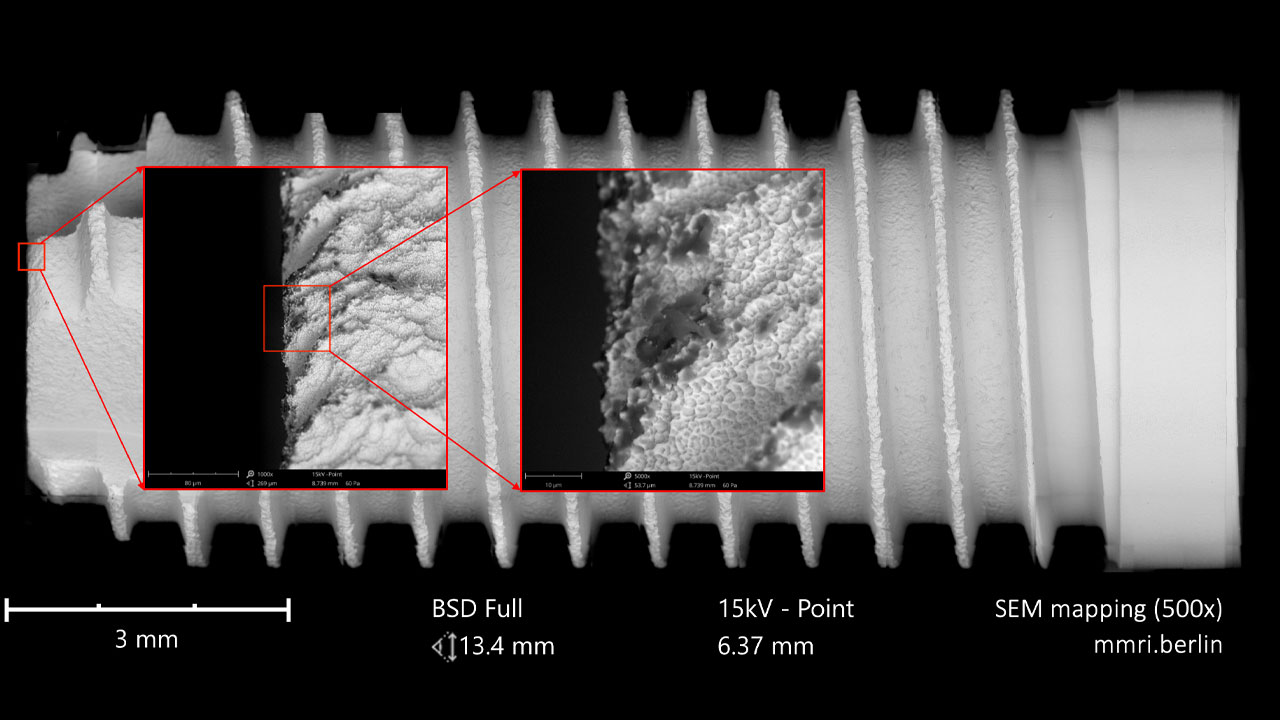
The CleanImplant Foundation emerged from research into unexplained implant failures and concern over manufacturing quality inconsistencies.
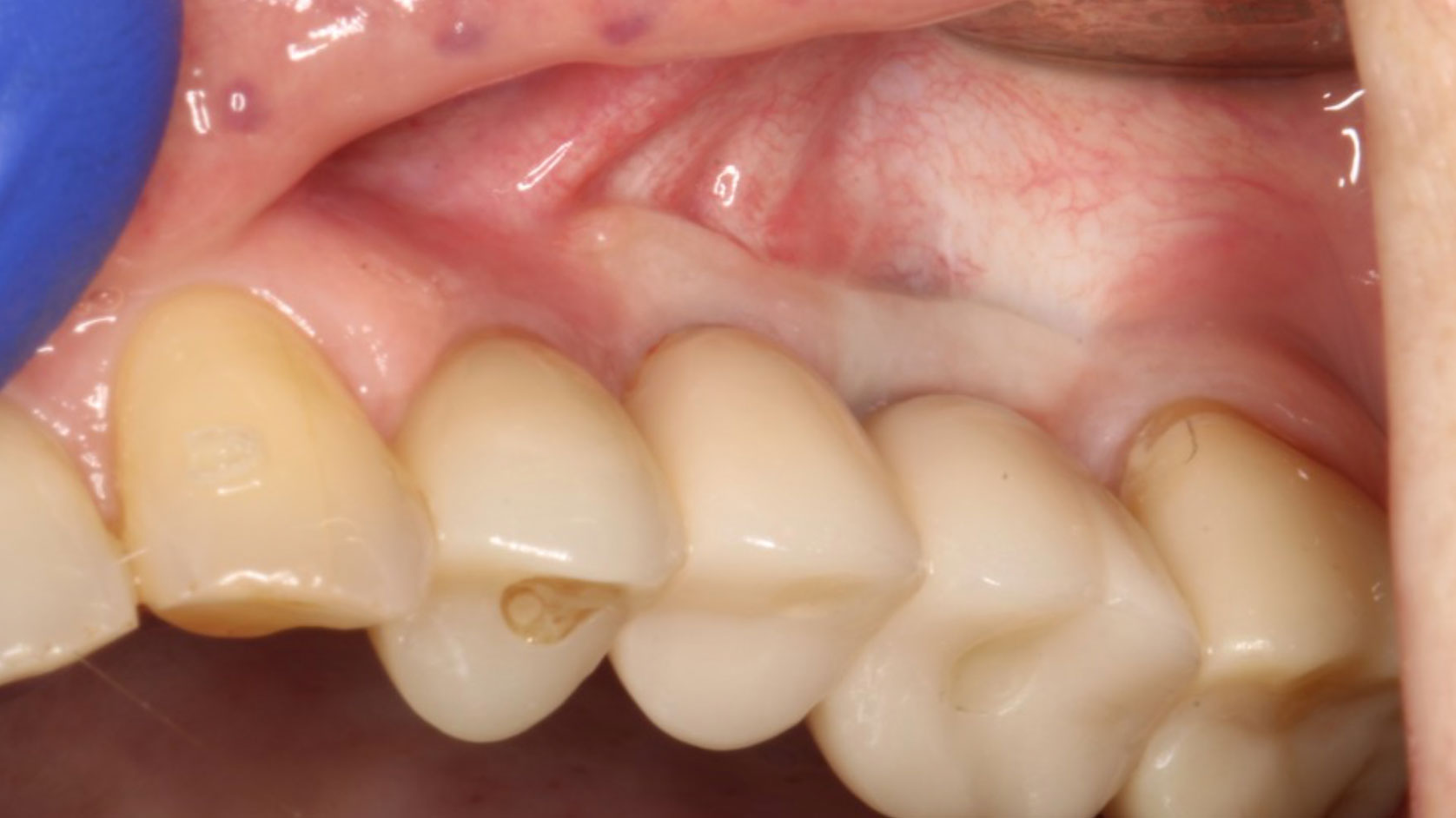
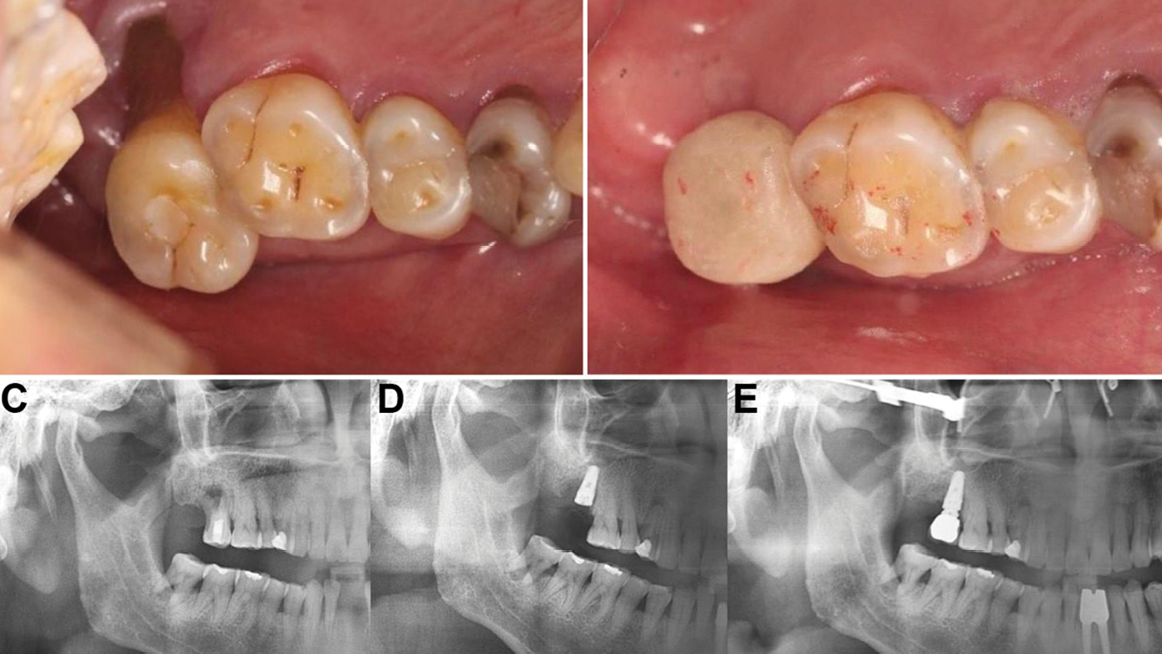
In recent years, the rise in elective extractions of healthy or restorable teeth for dental implants has drawn professional scrutiny. Media outlets have reported worrying cases of irreversible procedures driven by reasons other than strict clinical necessity. In response, organizations such as the American Association of Endodontists (AAE) have emphasized the ethical imperative to preserve … Read more
The quality of peri-implant soft tissue plays a pivotal role in the long-term success of dental implants. Thicker peri-implant mucosa, particularly when accompanied by adequate keratinized mucosa, is associated with enhanced aesthetic outcomes, reduced risk of peri-implant diseases, and improved patient satisfaction. The peri-implant soft tissue complex, encompassing the keratinized mucosa (KM), mucosal thickness (MT), … Read more
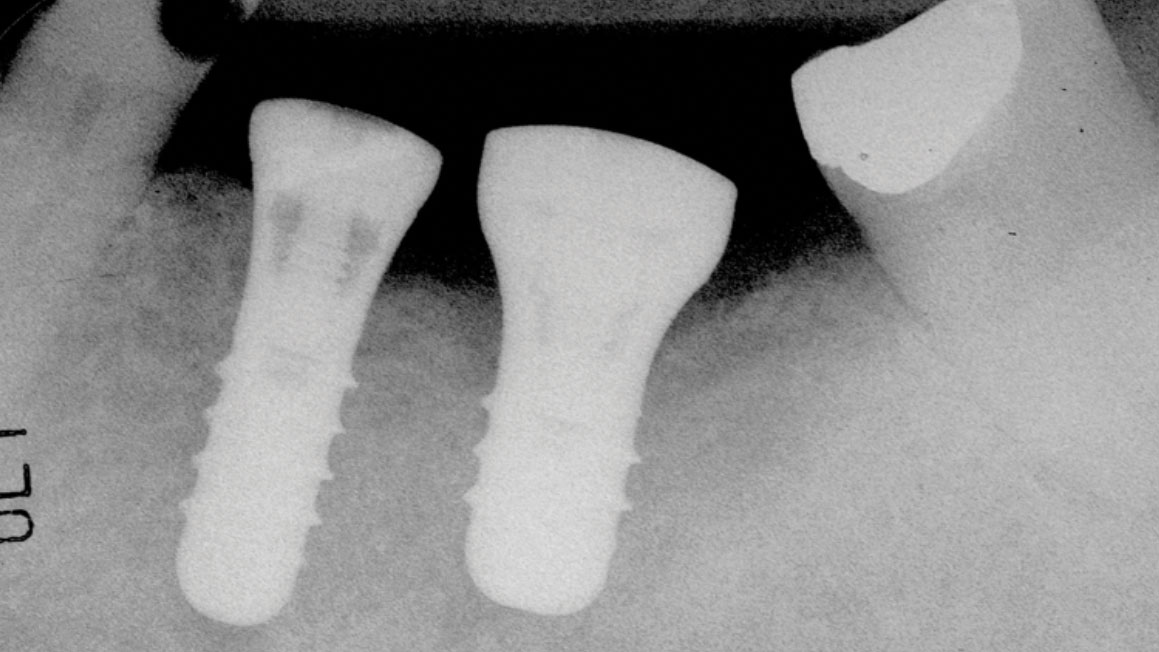
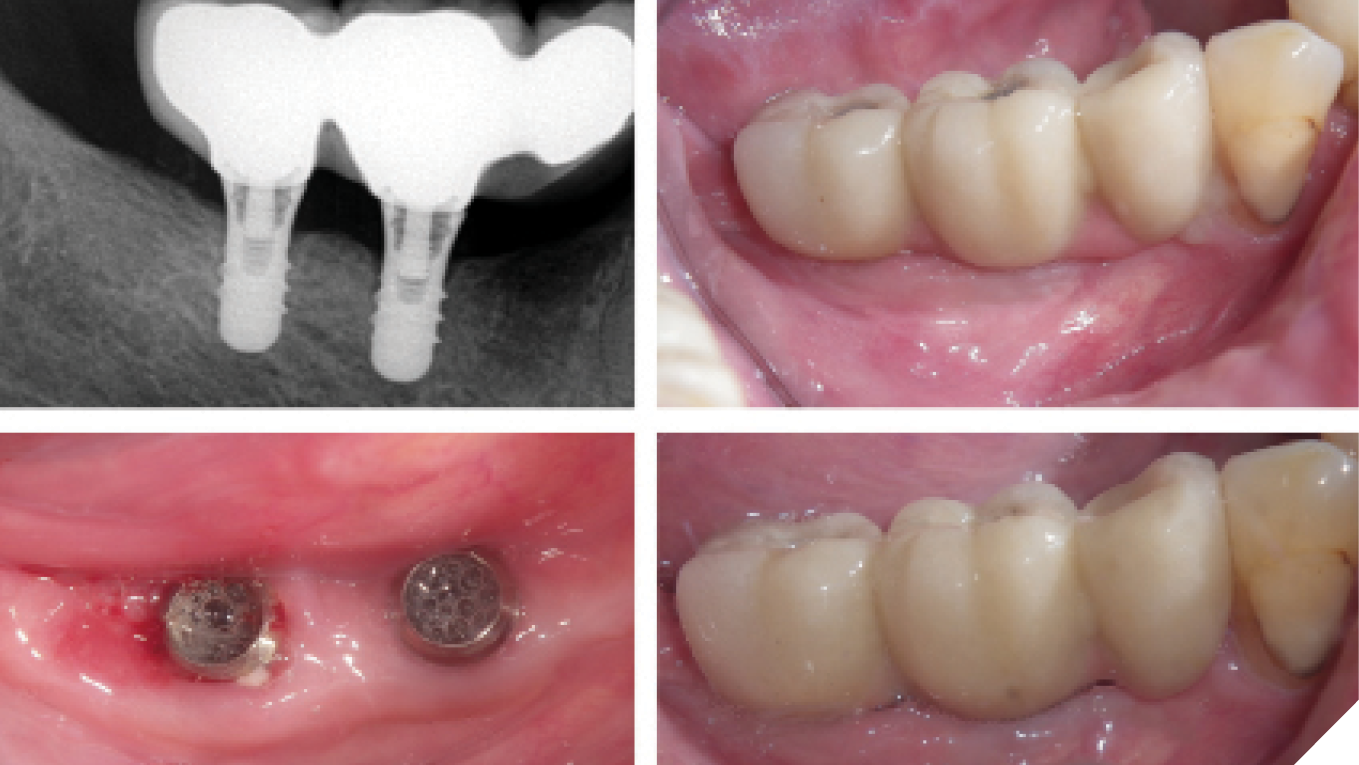
Abstract Background: Peri-implantitis is a serious complication for both patients and clinicians. Affected implants typically show extensive bone loss in radiographs, are difficult to manage and usually lead to implant loss leaving significant alveolar bone defects. Methods: In 2009 the patient reported here received two endosseous implants to replace his mandibular left second bicuspid and first molar … Read more
As dental implantology continues to advance, we are witnessing a convergence of two transformative forces: clinical innovation and artificial intelligence (AI). No longer a distant promise, AI is now a tangible reality in everyday practice—empowering clinicians with unprecedented precision, predictability, and personalization. Traditionally, implant success has hinged on a triad of clinical expertise, diagnostic imaging, … Read more
In recent decades, dental implants have emerged as a valuable tooth replacement option, offering favorable esthetic outcomes and long-term stability. Despite their high success rates, implants are subject to biological complications that compromise peri-implant tissues,1 peri-implant mucositis and peri-implantitis being two of the most common inflammatory conditions.2 Current epidemiological studies highlight the high prevalence of peri-implant mucositis, … Read more
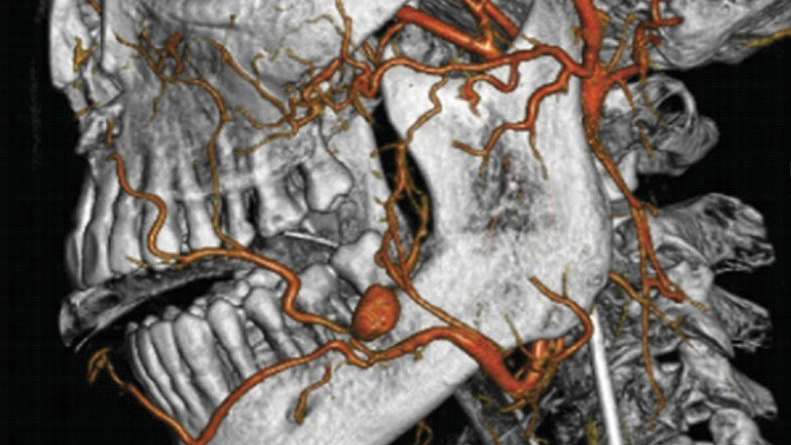
Life-threatening hemorrhage following oral surgical procedures, including the placement of dental implants and tooth extractions has been reported in numerous case reports and literature reviews.1–7 Although infrequent, profuse hemorrhage is a significant complication that clinicians performing oral surgical procedures may encounter and subsequently need to manage.8 The complex and often variable anatomy of the floor of mouth … Read more
For many patients, the decision to replace a missing tooth with a dental implant is both exciting and intimidating. As clinicians, we often focus on the technical aspects of treatment, but understanding the patient’s experience, especially their first encounter with implant dentistry, is critical to delivering empathetic, personalized care. Patients’ perceptions of implants are shaped … Read more
A team at Tufts University in Massachusetts has successfully bioengineered human-like teeth in pigs, marking a significant advancement in dental regenerative medicine. The researchers detailed their findings in a paper published in late December. “I 100 per cent think regenerating human teeth can happen,” said Pamela Yelick, professor and director at Tufts University, during an … Read more
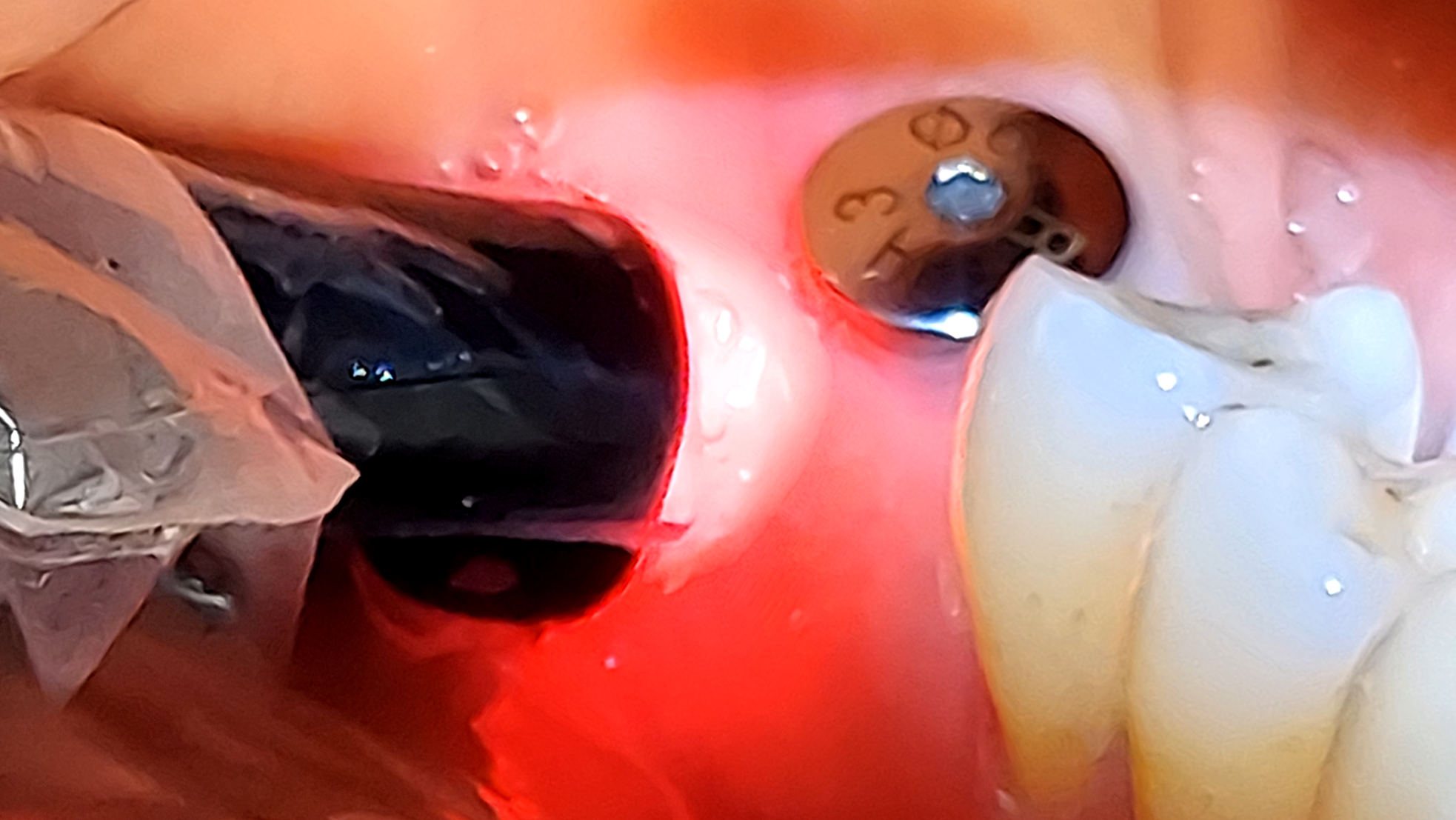
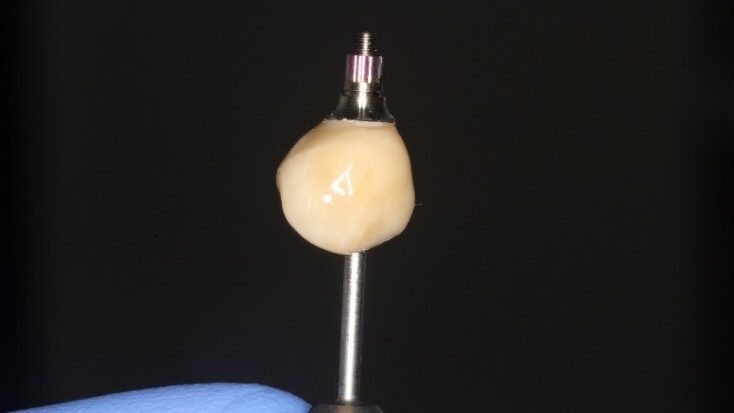
The integration of immediate dental implants with provisional restorations is a technique that addresses both functional and aesthetic concerns, particularly in the anterior region where appearance is critical. The traditional protocol for dental implant placement involves a healing period between tooth extraction and implant insertion. Advances in implantology have allowed for immediate implant placement and … Read more
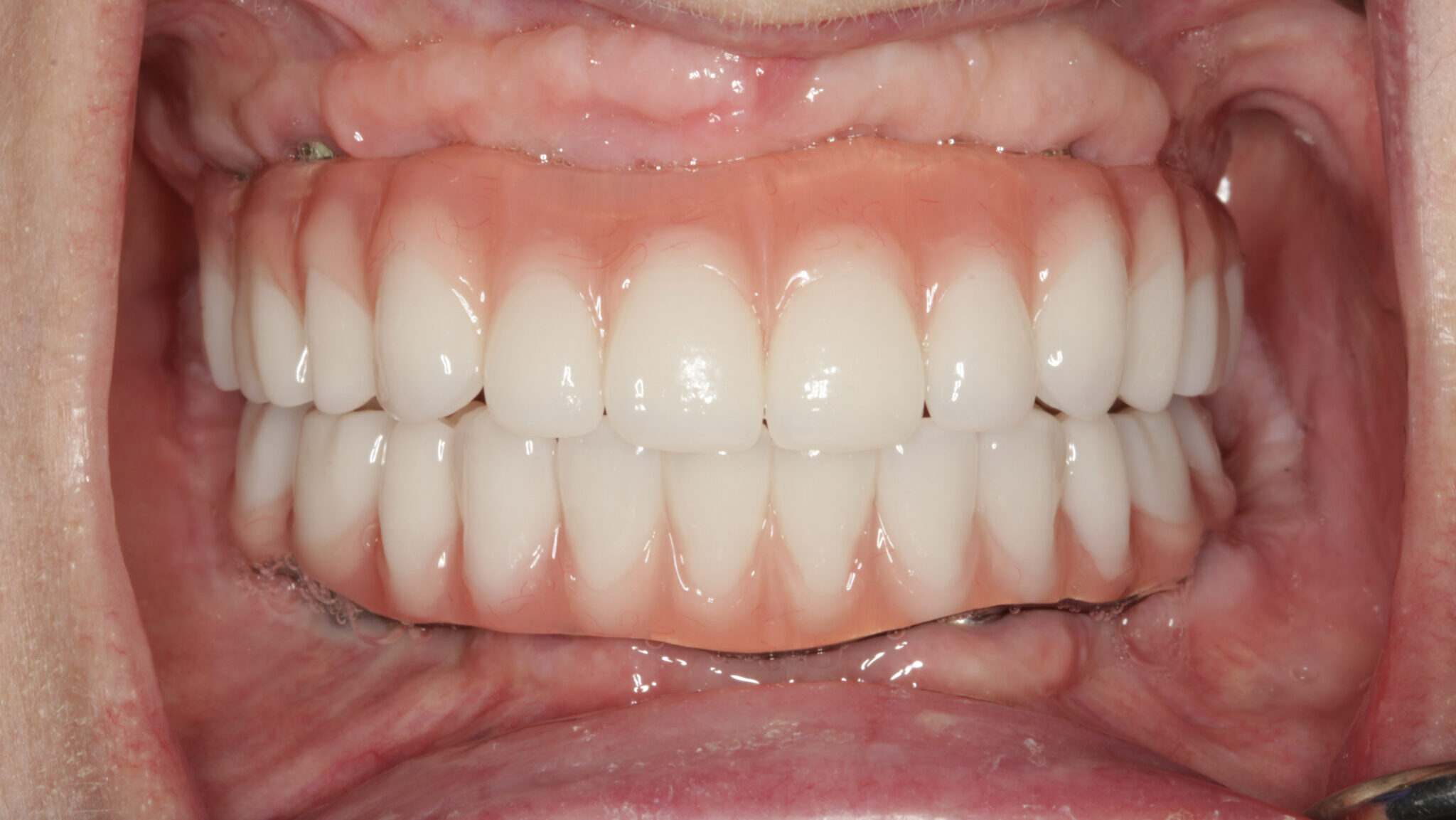
Implant treatment for full arch fixed restorations have been around for decades now.1, 2, 4 The treatment usually involves 4-6 implants placed in either the maxilla or mandible which is then restored with a fixed partial denture.5 One of the benefits of this treatment is the ability to achieve a new fixed temporary set of teeth on … Read more
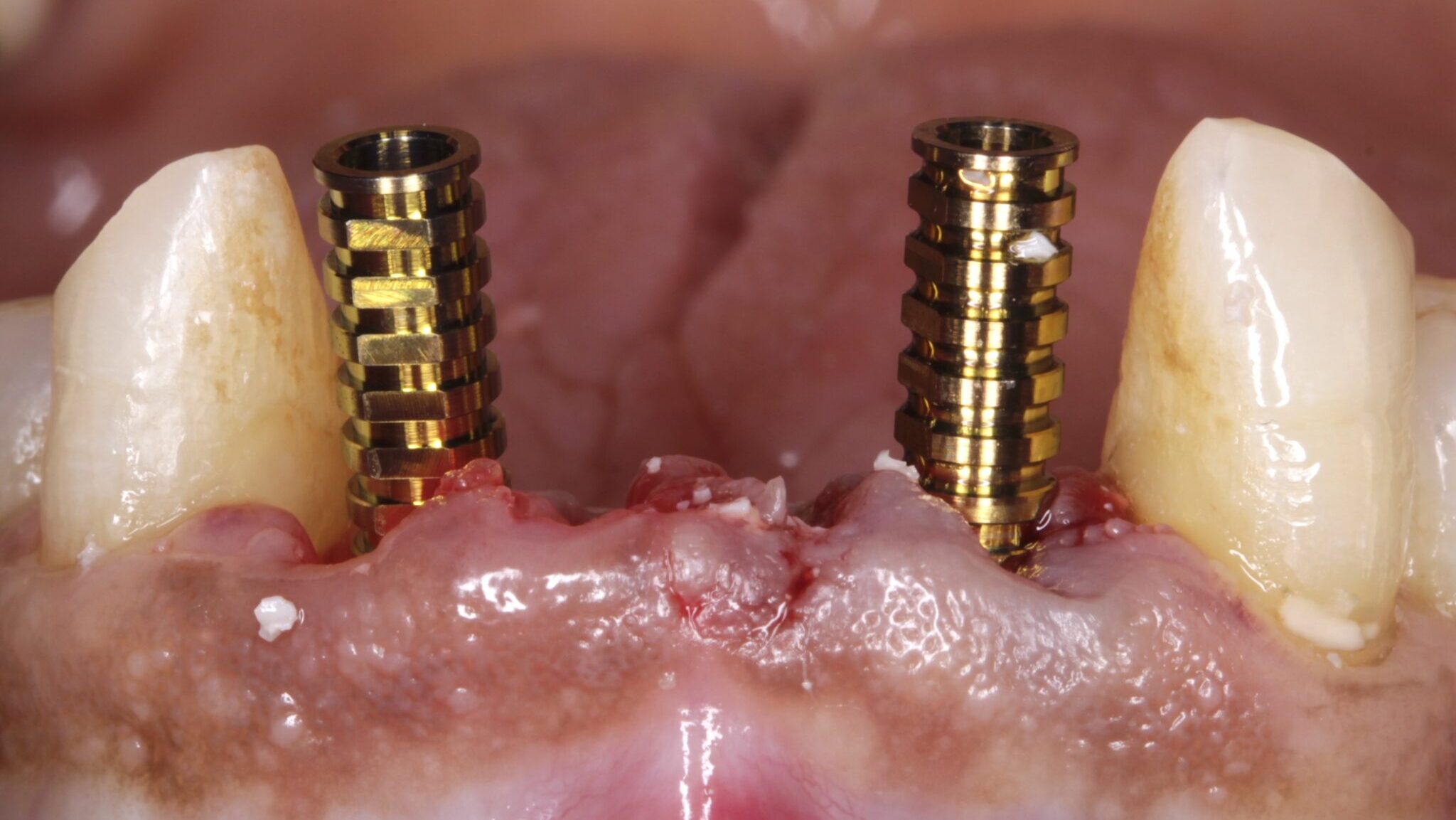
Lower anterior dental implant therapy can be a challenging and highly detail-oriented endeavor. These challenges can include aspects such as bone and tissue volume deficiencies, implant positioning, and restorative designs/contours. We as clinicians have the very best chance to complete acceptable surgical-prosthetic esthetic results in this area, through proper treatment planning and implant positioning. Implant … Read more
Abstract “Immediacy” as a treatment concept has evolved over time. With the introduction of nano-modified implant surfaces, osseointegration has become faster and more predictable. This technology has allowed for the development of protocols that make immediate implant placement and provisionalization a desirable clinical reality. One of the remaining procedural obstacles for many practitioners is the … Read more
Dental implants have become a widely accepted solution for restoring both function and esthetics in partially or fully edentulous patients, through the use of either fixed or removable prostheses. Systematic reviews have consistently demonstrated high survival rates for both implants and prosthetic components, with an overall success rate of approximately 94.6%.1,2 However, peri-implant diseases remain … Read more
Abstract Chronic, severely localized periodontal infections at the site(s) of planned tooth extraction commonly give rise to a layer of granulomatous and epithelialized tissue encompassing the apex of the tooth root. Despite its typical disposal, this epithelialized granulomatous tissue can be effectively employed for primary closure, capitalizing on the biological mechanisms of wound healing. Introducing … Read more
A Retrospective Study with 2 to 6 Years of Follow-up Immediate loading of dental implants is a protocol that has become increasingly widespread since it began to be used in the 1990s1-3 and today has success rates similar to those of implants inserted using the “conventional” loading protocol (98.2% for immediate loading versus 99.6% for conventional … Read more
Key Words Dental implants, Concept, function, biomechanics, esthetics, mastication, full-arch restoration, financial investment, quality of life, “All-on-4” and patient satisfaction The world is aging – epidemiological studies show that 11% of the world’s population is over 60 years of age, with a projected increase, by 2050 to 22% of the population.1 Metrics from the Center for Disease Control’s … Read more
Abstract Although immediate implant placement and provisionalization are now considered the standard of care and the preferred patient option for transitioning from edentulism or unrestorable teeth to implant rehabilitation, several clinical factors and patient characteristics can contraindicate this approach. As a result, it is still frequently necessary for clinicians to undertake—and for patients to endure—the … Read more
Full arch implant-supported fixed protheses have become a highly desired solution for the rehabilitation of patients with terminal dentition or completely edentulous arches. New developments in digital dentistry have enabled practitioners to extract vital information from intraoral scans and cone beam computed tomography (CBCT) to plan and execute fully guided implant placement that is prosthetically … Read more
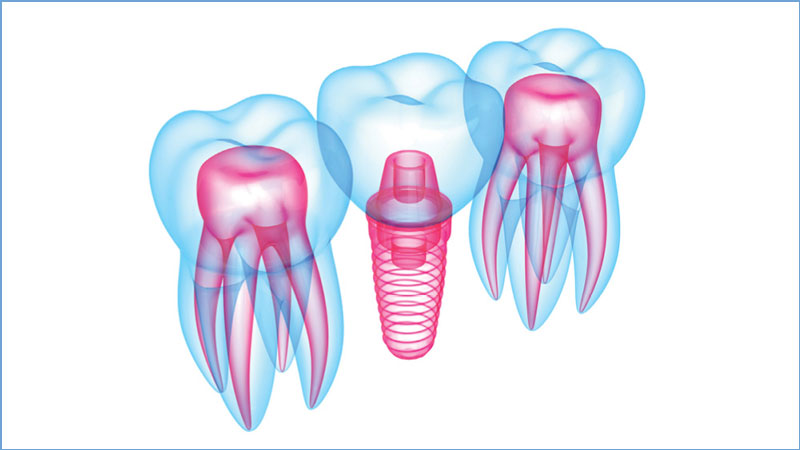
A dental implant is defined as a prosthetic device made of alloplastic material(s) implanted into the oral tissues beneath the mucosal and/or periosteal layer and on or within the bone to provide retention and support for a fixed or removable dental prosthesis, a substance that is placed into and/or on the jaw bone to support … Read more