Defensive medicine in the age of AI

Here is the legal reality clinicians need to absorb early: When AI enters the chart, responsibility does not shift. It concentrates.

Here is the legal reality clinicians need to absorb early: When AI enters the chart, responsibility does not shift. It concentrates.

Augmented intelligence is a powerful addition to modern dentistry — one that, used ethically and wisely, will amplify human intelligence, empowering both practitioner and patient.

As Canadians generally enjoy longer, healthier lives, it is essential to acquire and retain the satisfaction and loyalty of older patients by understanding and addressing their unique and evolving needs.
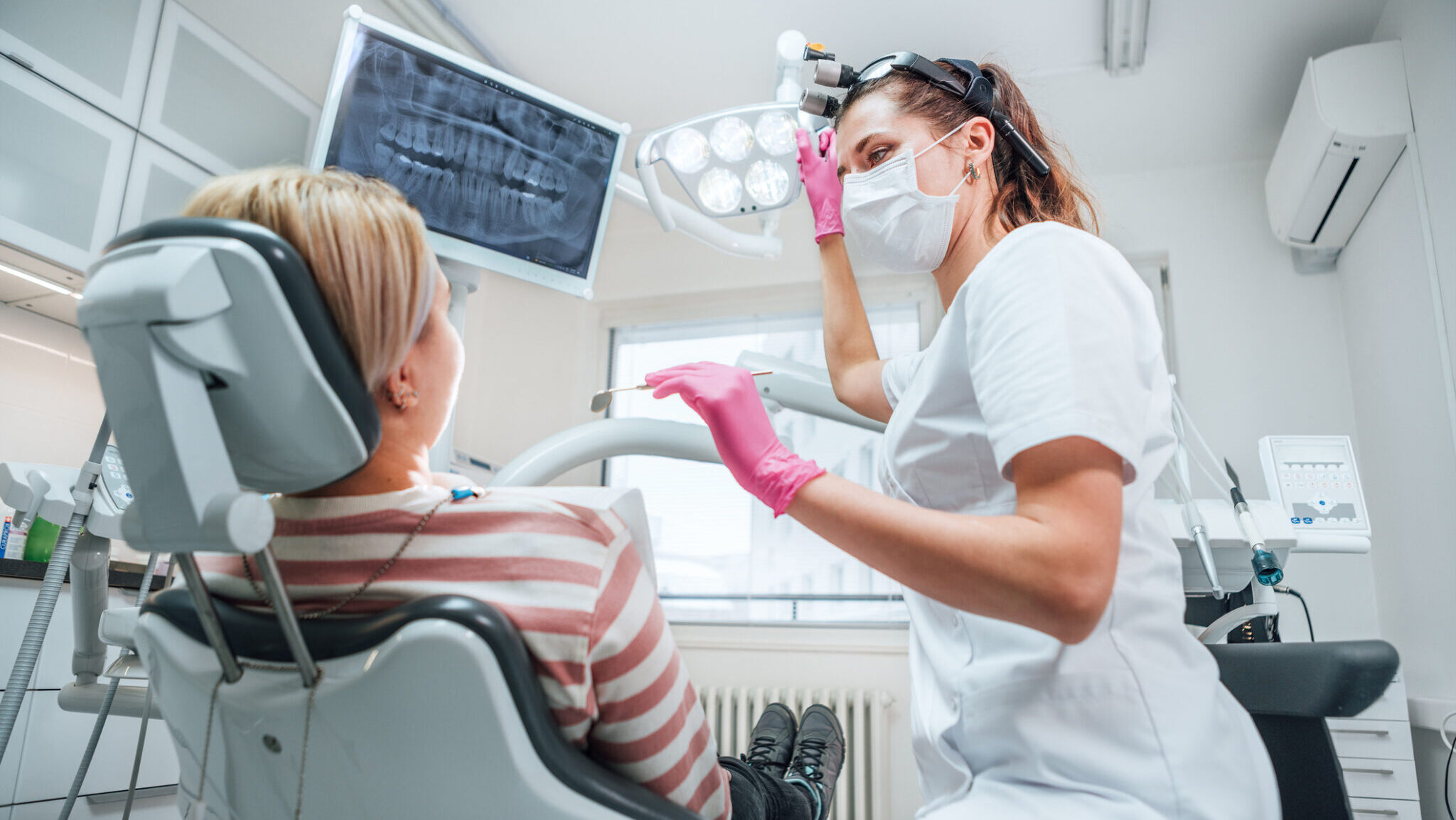
As dental hygienists, once a patient walks through your door and settles into your chair, something powerful begins to unfold. The During Experience is where trust is built—or quietly broken.

The people closest to an asset often see only its friction, while those willing to step back can see its value more clearly. This pattern shows up everywhere, including dentistry.

U.S. tariffs affect Canadian dental practices in several ways, most notably through higher costs and supplier disruptions. In an Oral Health survey, 21% of respondents reported that tariffs have significantly increased costs and created sourcing challenges.

This review summarizes current evidence and future implications on AI-assisted drug monitoring and dosing, AI-based behavioural support and decision-support tools highlighting the impact in dentistry.

As the old saying goes, “one man’s meat is another man’s poison.” A medication may be highly effective in one individual, ineffective in another, and potentially harmful in a third. Drug handling by the body varies significantly between individuals, and genetic makeup is one of the major factors contributing to this variability. Pharmacogenomics, a branch … Read more
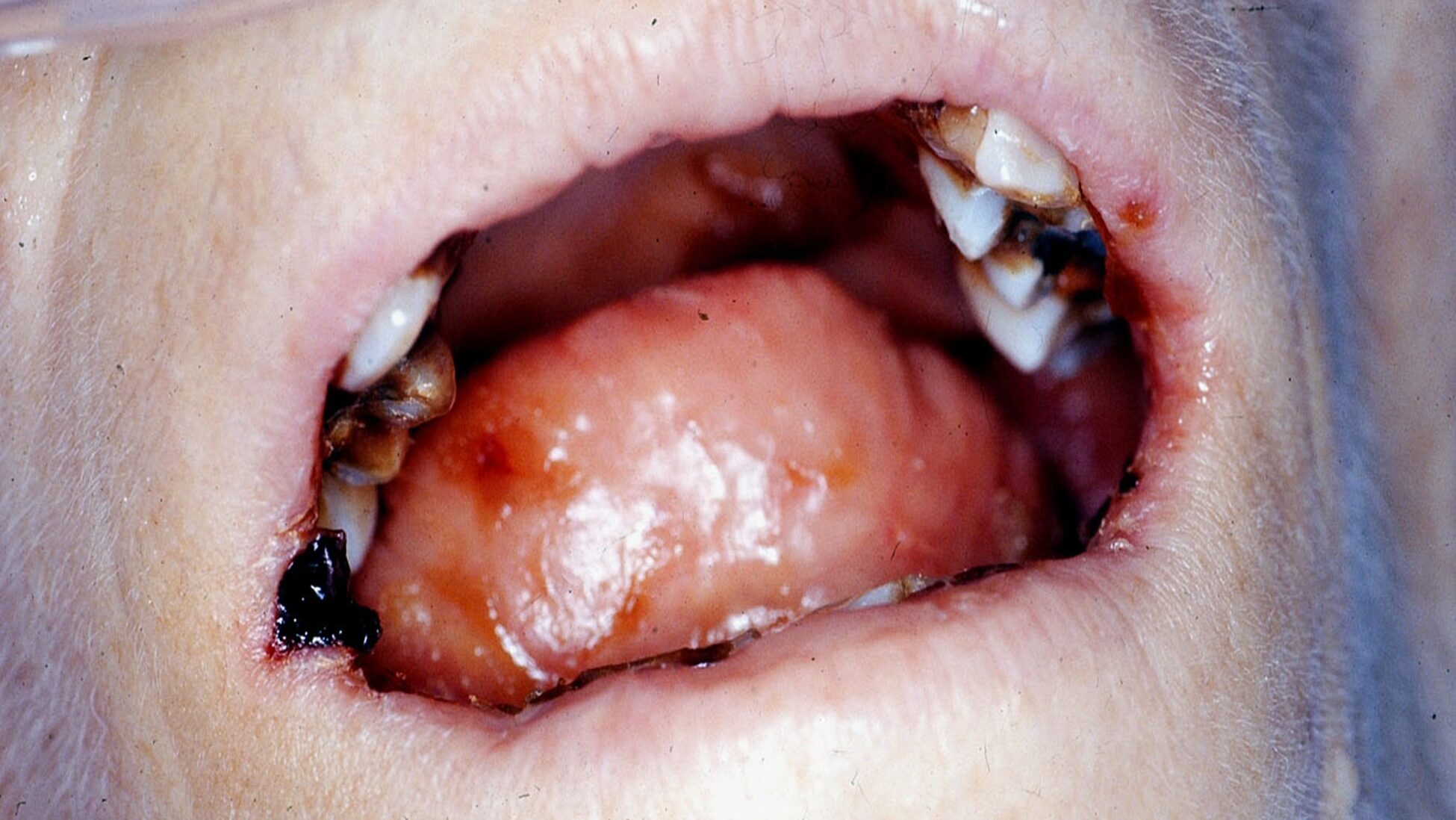
This paper will describe the causes of oral pain in the palliative patient and the important role of the palliative care dentist in the treatment of oral pain to reduce suffering in the patient’s final days.
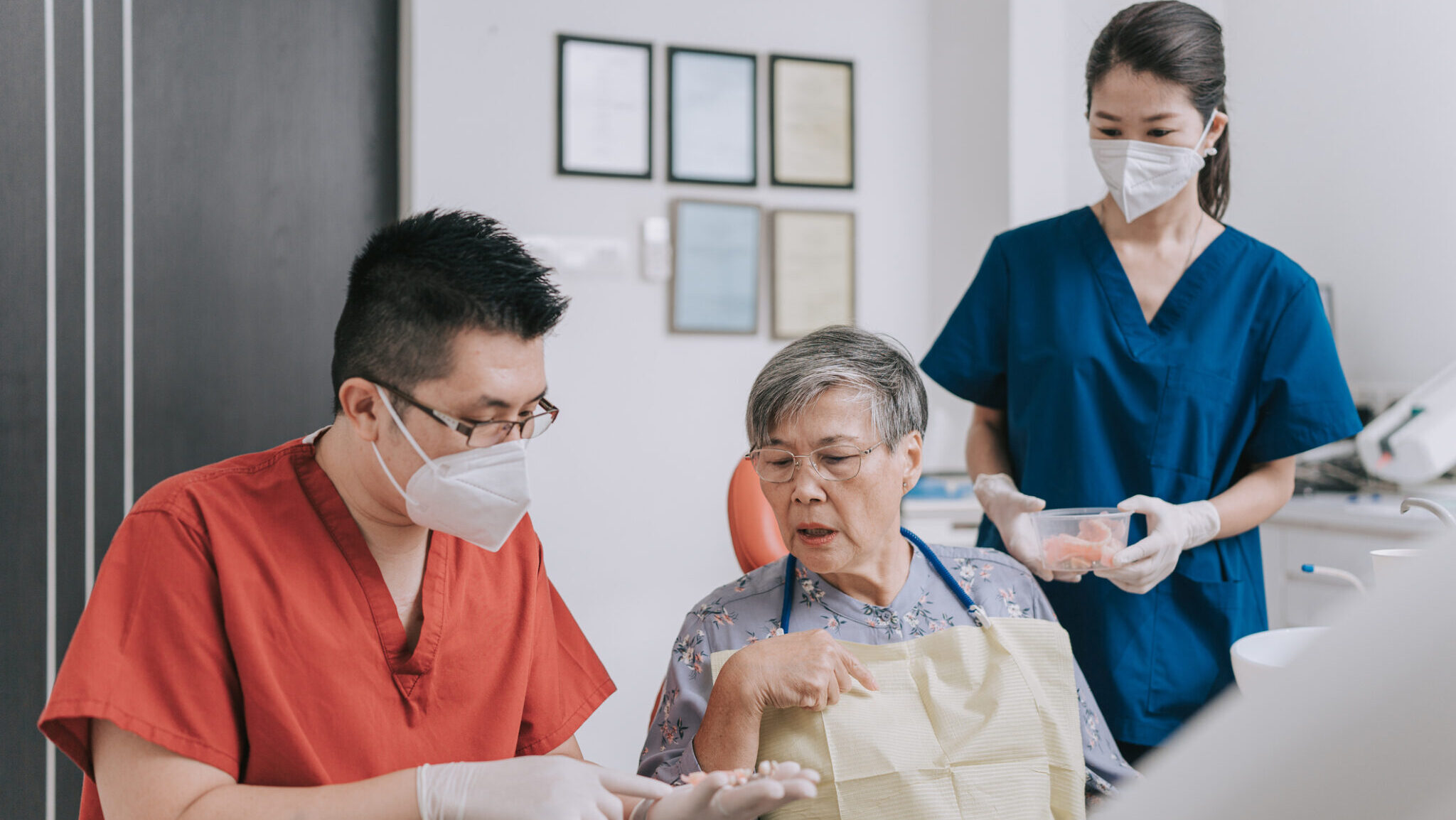
Canada’s population is rapidly aging, accompanied by a shifting landscape in oral healthcare needs. In 2021, individuals aged 65 and older accounted for 18.5% of the national population, and this figure is projected to increase sharply by 2068.1 This demographic trend presents both challenges and opportunities for the Canadian healthcare system, particularly in the field of … Read more

As the global population ages, dental professionals increasingly encounter patients with cognitive impairments that compromise their ability to provide informed consent. This article reviews the ethical frameworks and regulatory standards that guide informed consent in dentistry.
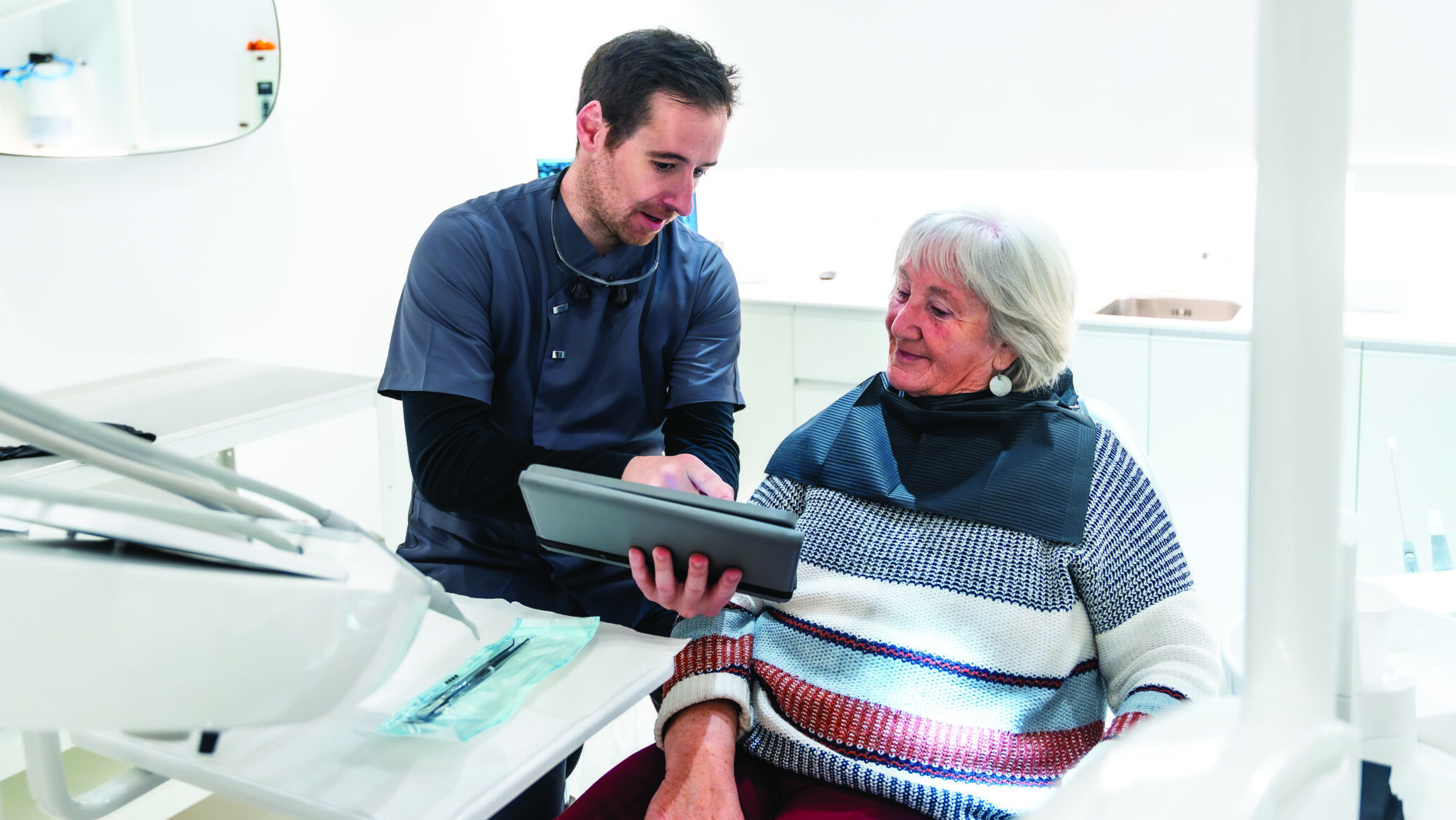
This essay will present important considerations for dealing with the senior patient, and the ways in which dental offices can be adapted to make them more welcoming, accessible, and responsive to the needs of this steadily increasing patient population.
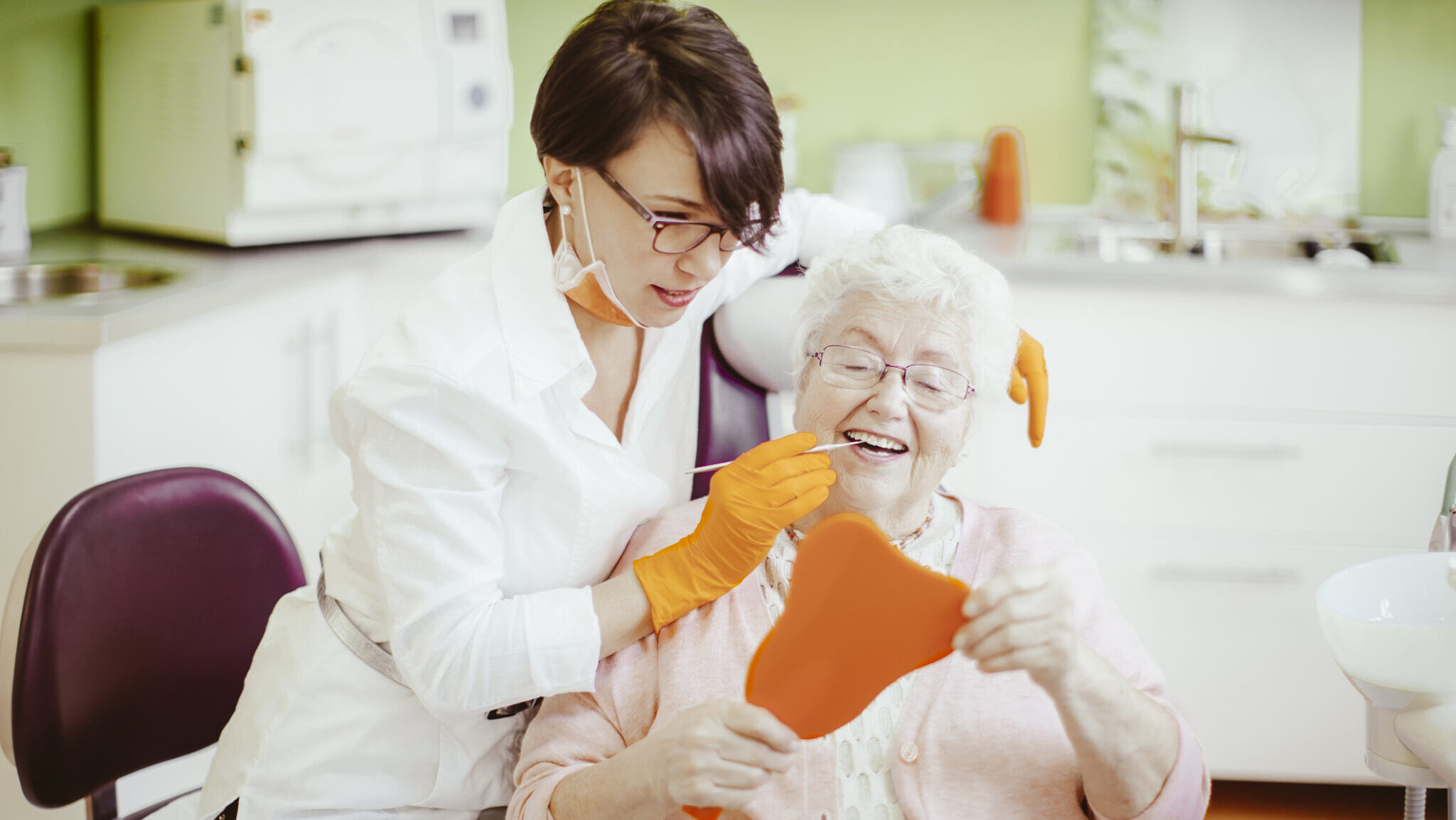
The past two years have ushered in a quiet but consequential evolution in geriatric dentistry or gerodontology, one driven by demographic urgency and sharpened by cross-continental scholarship.
Geriatric dentistry, also referred to as gerodontics, gerontology, or gerodontology, focuses on providing dental care to older adults, including the diagnosis, prevention, and treatment of various dental issues.

As populations around the world age at an unprecedented rate, it is the responsibility of the dental profession to recognize the importance of geriatric dentistry.

Why is pediatric dentistry even a specialty, and why does it take two to three years to train? What could take so long to learn? Isn’t prevention the same for children as adults—just brush your teeth?

One of the trickiest transitions following graduation is managing the relationship with the clinic owner as a fresh-faced associate. Here are three key considerations to support relationships that get off on the right footing.

Next Gen of the Month is a monthly Q&A with a dental student or new dentist where we ask them about their experiences and accomplishments thus far in their dentistry journey. This month we are featuring Liz Worndl, a U of T dentistry graduate, practicing dentist, and recent finalist on MasterChef Canada. Liz brings the same … Read more

For those of us in dentistry, it can seem that feedback comes from all directions: from mentors, from patients, from office staff. While feedback can seem overwhelming, like a continuous stream of micro-corrections that affect our well-being, feedback can be a gift and an exciting opportunity. To shift our perspective, it’s important to pause and … Read more

As health care marketing and communications professionals, the “end goal” with this exercise of assessing your “access” (and more) is to identify those distinctive qualities that make your location stand out favourably.