Why is pediatric dentistry even a specialty?

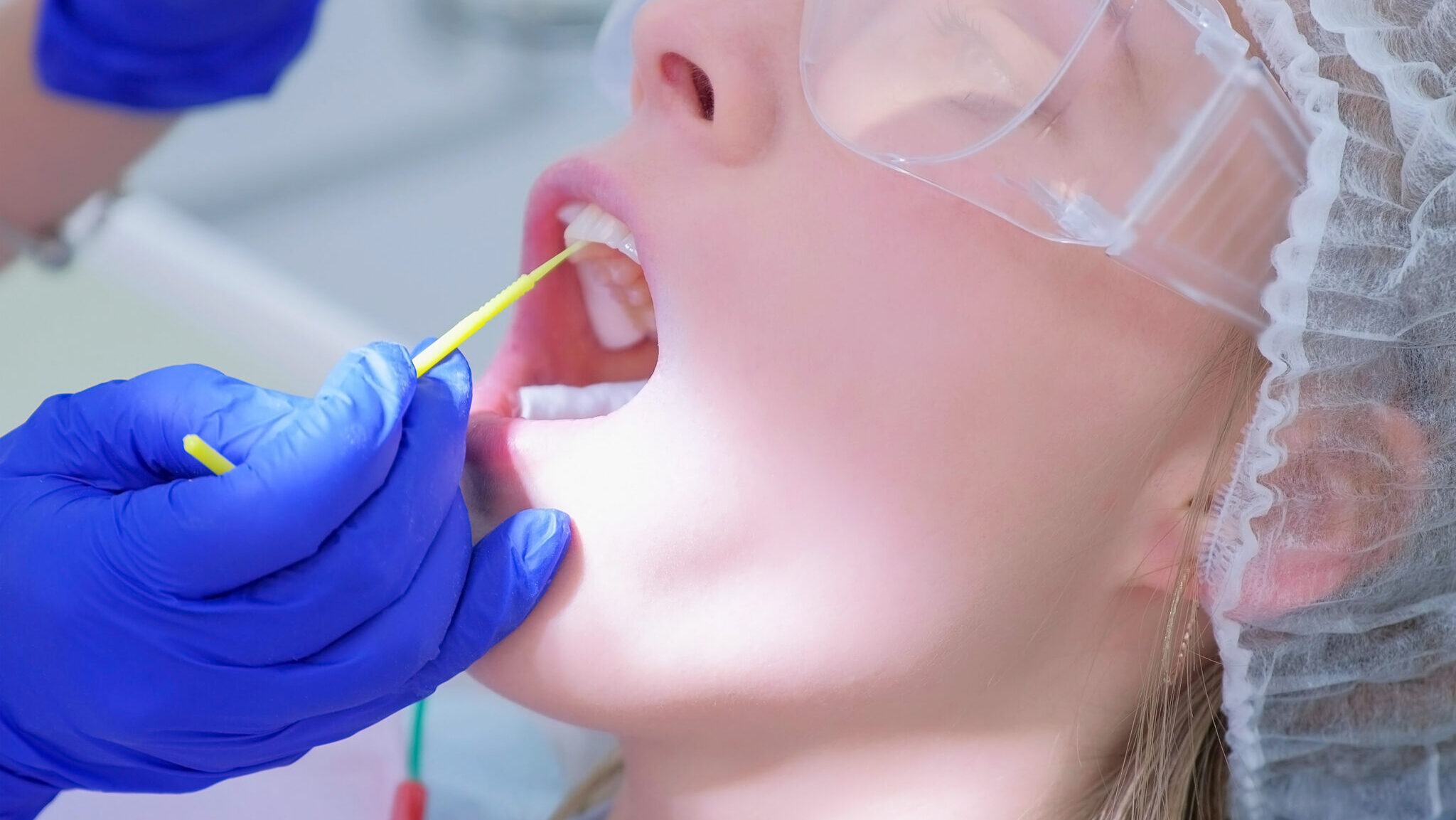
Beautiful girl at the dentist learning to brush her teeth properly and practicing on a denture

Why is pediatric dentistry even a specialty, and why does it take two to three years to train? What could take so long to learn? Isn’t prevention the same for children as adults—just brush your teeth?

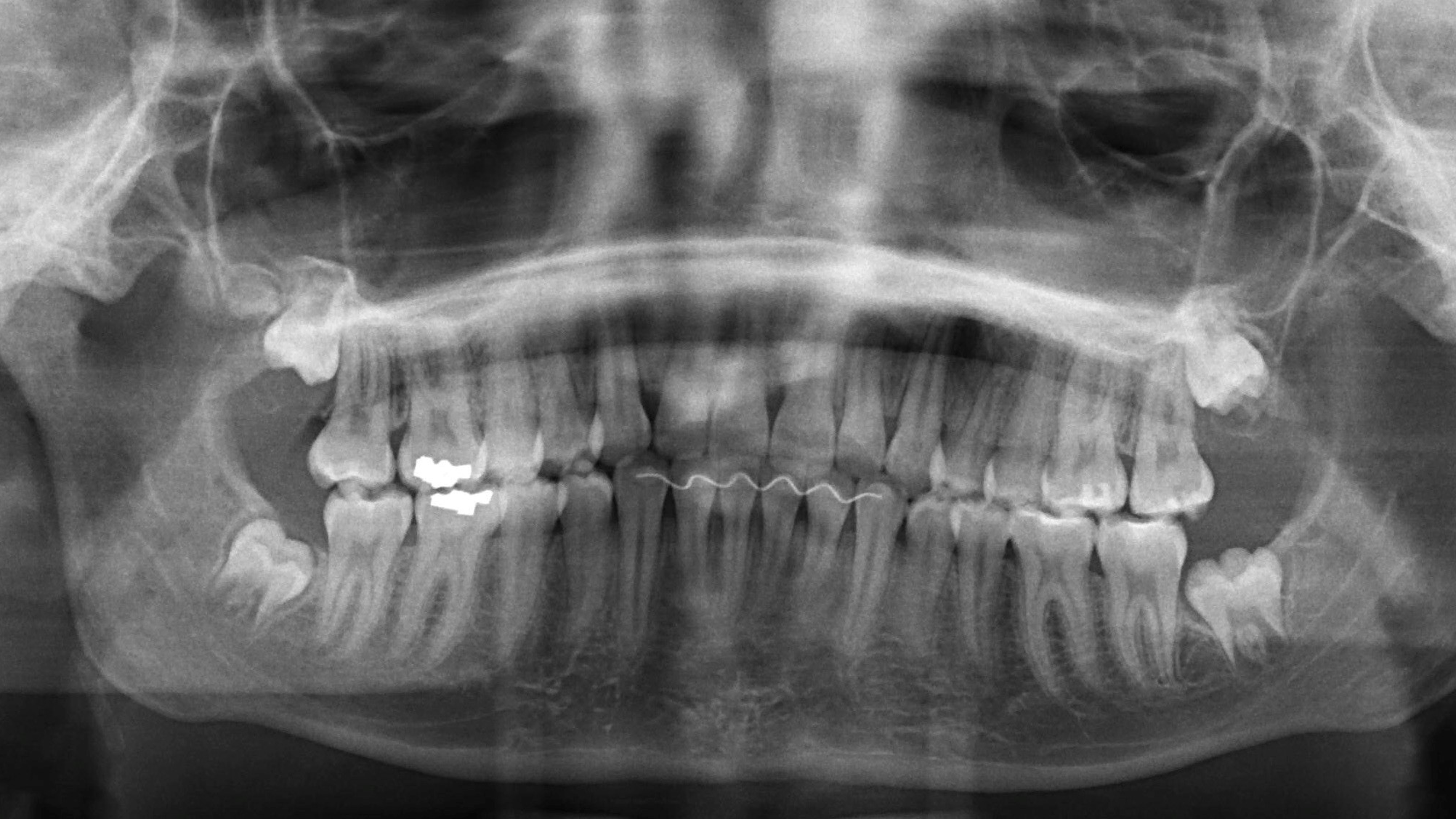
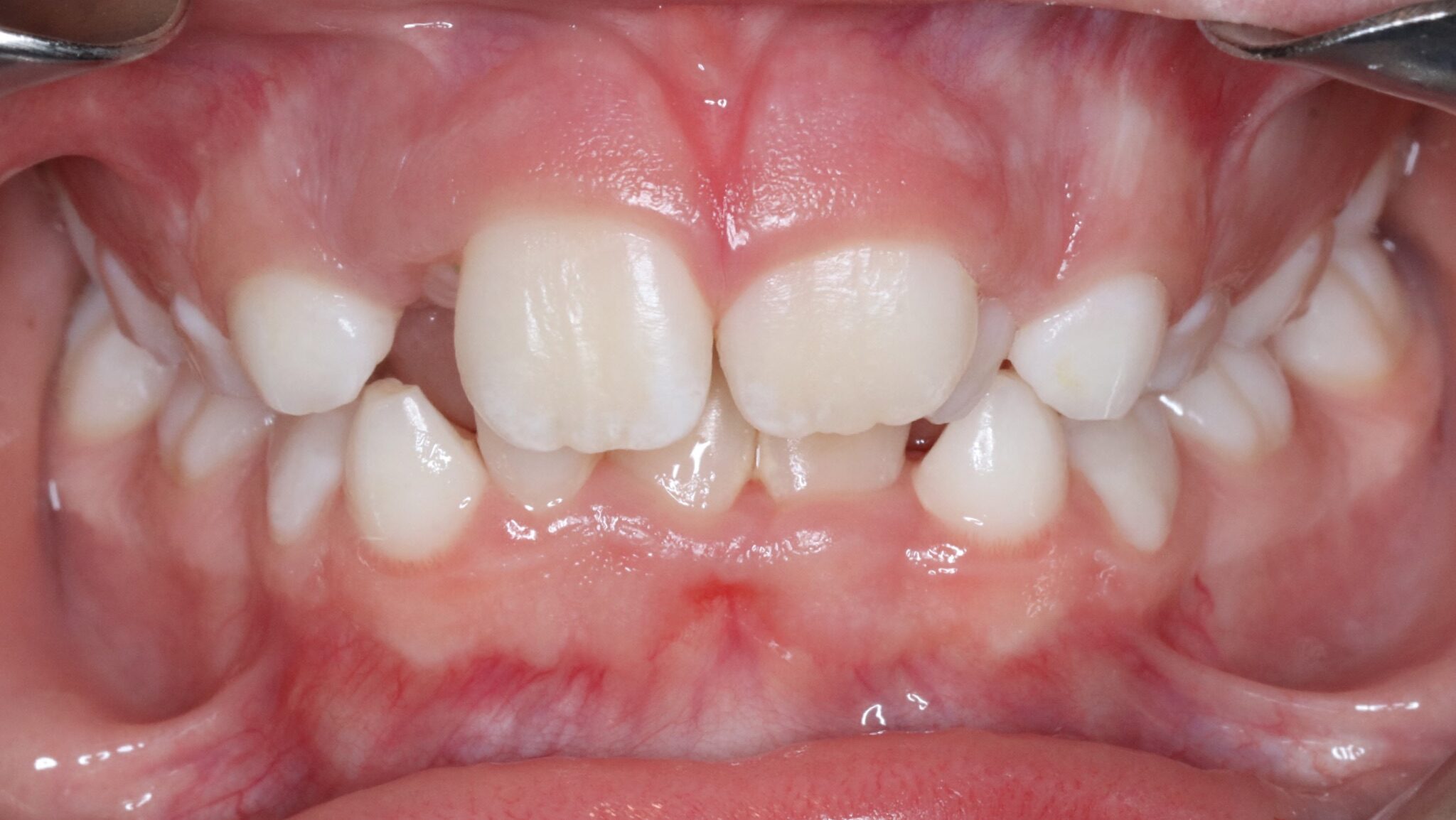
Late development of supernumerary maxillary molars

Publications have documented supernumerary bicuspids arising up to 11 years after completion of development of normal teeth. This paper reports a case of late development of supernumerary fourth and fifth molars in the maxilla.

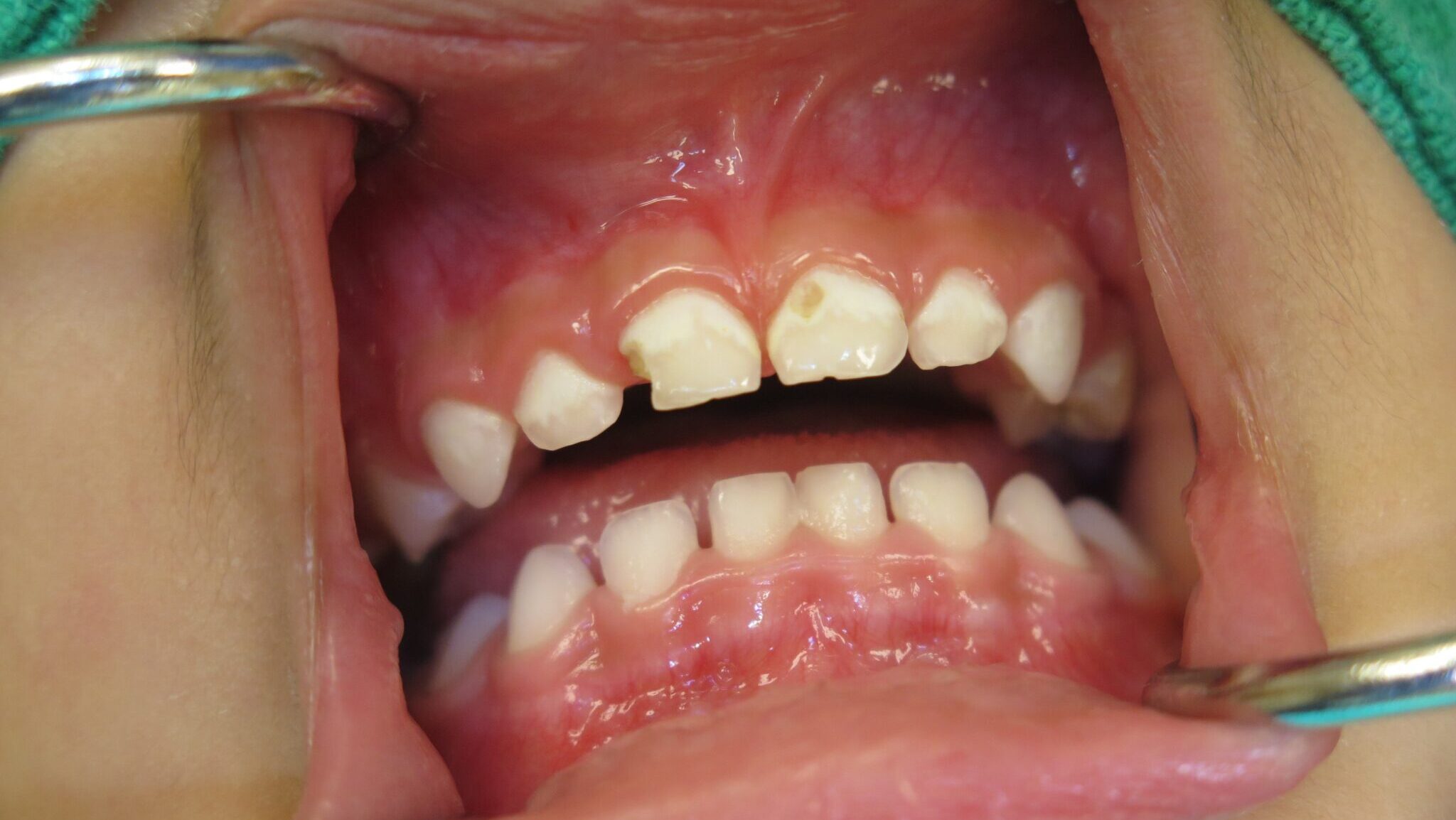
What is Early Childhood Caries?

Early Childhood Caries (ECC) or Baby Bottle Syndrome (BBS) is a rampant form of tooth decay that destroys the newly erupted primary teeth very quickly. The tooth decay progresses at an astonishingly quick rate and will occur even before the tooth fully erupts.

ECC: Beyond detection—Recognizing the broader context

Dentist talking to mother and daughter patients in her office

Advances in detecting early childhood caries (ECC)—from improved diagnostics to emerging AI tools—promise earlier intervention and expanded treatment options. Yet ECC is more than a microbial condition. For many children, especially in marginalized communities, it is a visible marker of systemic inequity. The view from the dental chair Oral health professionals see health disparities in … Read more

Effective toothbrushing: Why, when, and how to teach it

Cute Chinese little girl having perfect smile brushing her teeth with plastic toothbrush on blue background, keep thumb raised, studio portrait. Children health and oral care concept.

Toothbrushing—everyone knows they should do it, and that it’s the primary way to prevent tooth decay and periodontal disease. Yet dental disease remains widespread. Why? As with other forms of preventive healthcare, such as diet and exercise, the problem lies not in knowledge but in the application of knowledge. Patients must be taught, motivated, and … Read more

Recognizing the signs: When to refer for early orthodontic treatment

Orthodontics has always aimed to create aesthetically pleasing smiles and functional occlusions, but today, we strive for even more. Modern orthodontic care emphasizes not only straightening teeth and correcting malocclusion, but also optimizing facial balance, smile aesthetics, airway development, and long-term stability. Early orthodontic treatment, typically initiated between the ages of 7 and 10, is … Read more

The parent-child interaction in the dental office

Treating children, not teeth The assessment of the child-parent interaction is important in determining how to deal with the dental situation. First of all, I recommend the doctor does an initial exam and have the preventive aspect at a follow-up appointment. For young children, timing is important—a morning appointment is highly recommended. Children are more … Read more

Fluoride: When, where, why

Treating children, not treat Fluoride dental treatment has been around for about 75 years, serving hundreds of millions of people without any proof of detrimental effects, unless over ingested. The great majority of cases being dental fluorosis. Fluoride works on the dental complex in three essential ways. But there are two modes of action: systemic … Read more

How to develop good oral hygiene for infant patients

Treating children, not teeth Infant toothbrushing is not really important until about the ages of two and a half to three. The reason is that there are large interproximal spaces between the erupting teeth and all the surfaces, especially the interproximal surfaces which are self-cleaning. At two-and-a-half to three years, the second primary molars erupt … Read more

The tooth fairy: A cautionary tale!

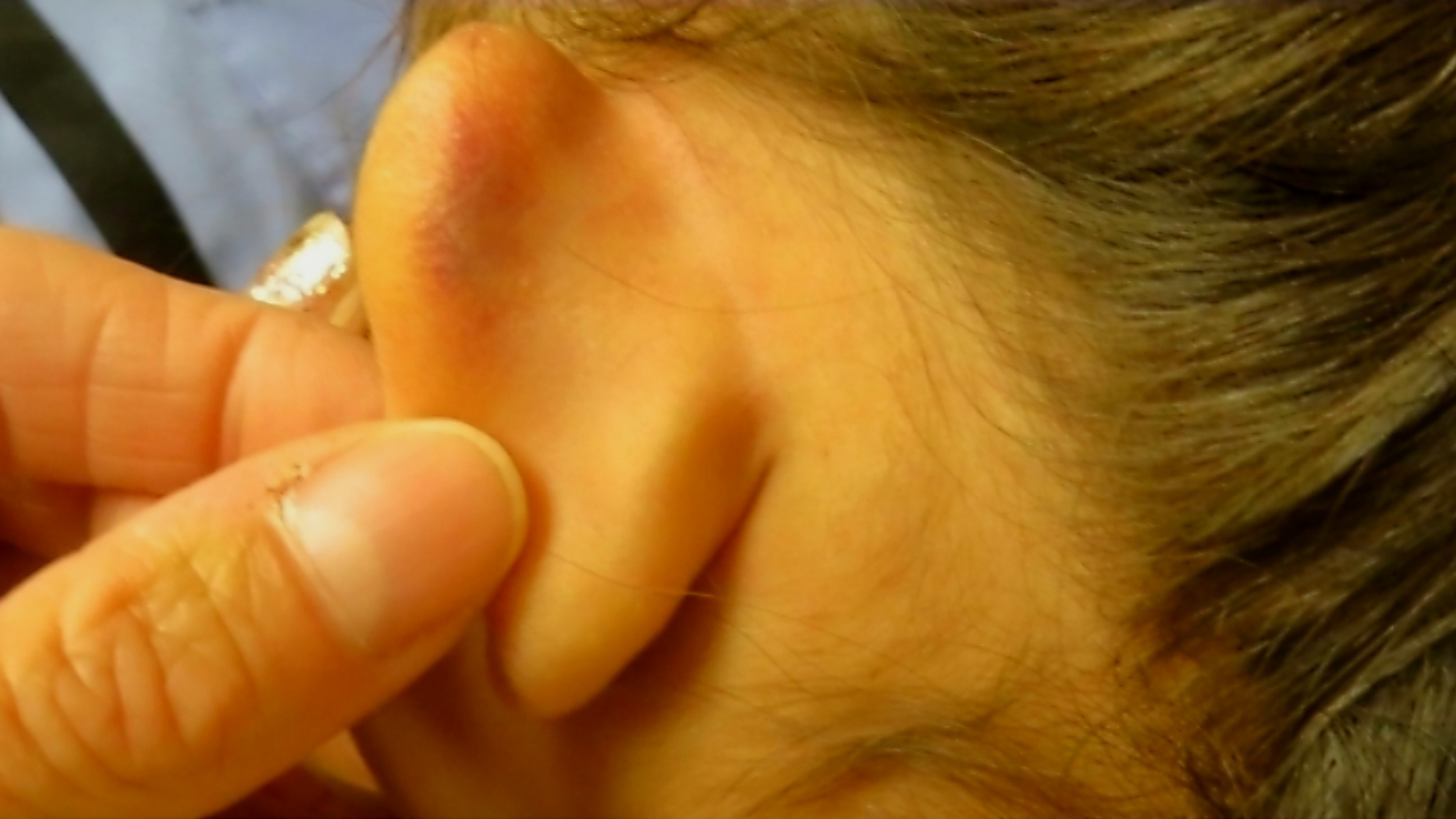
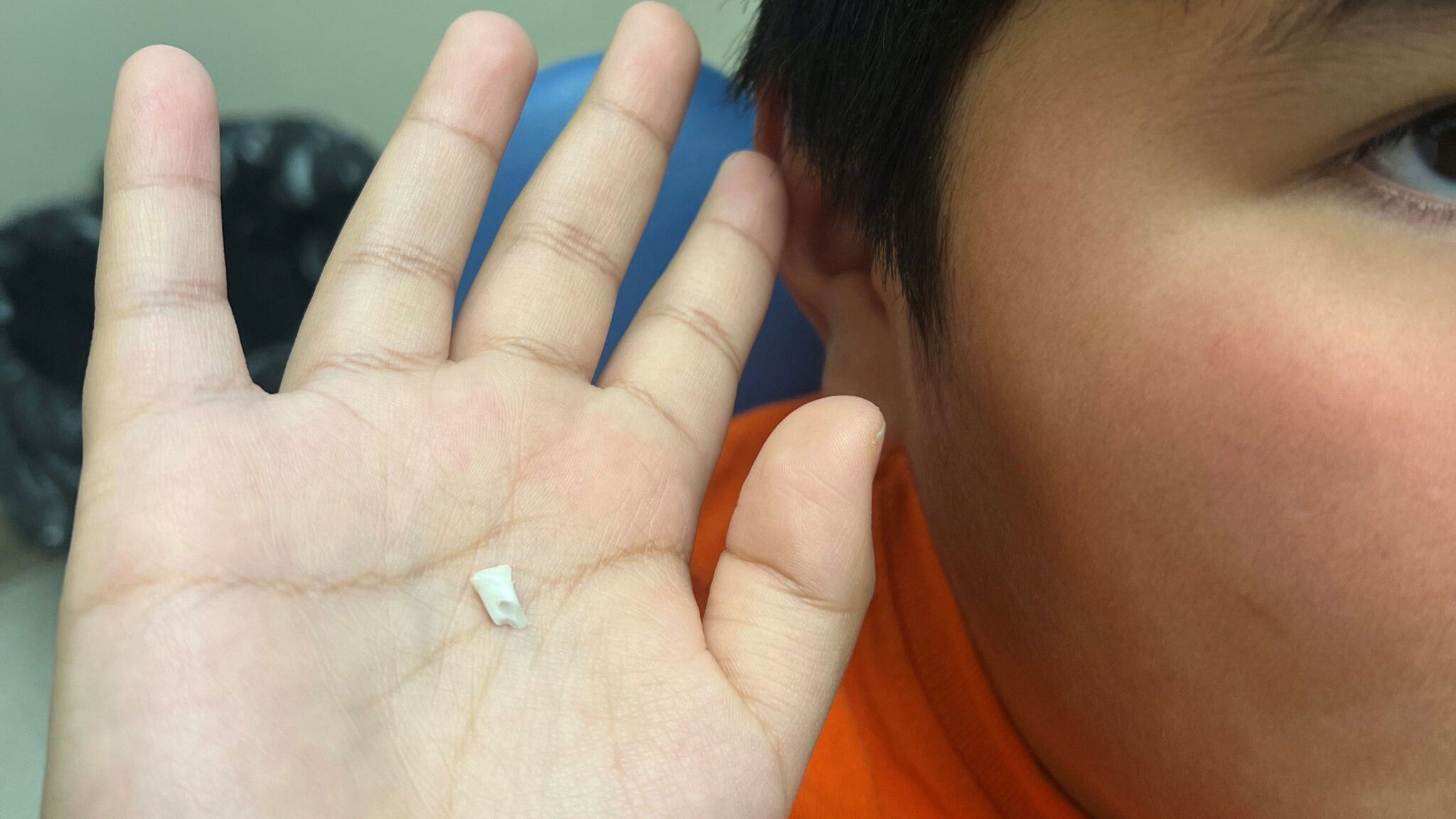
Child with tooth from his ear.

Case report An 8-year-old boy was referred to an ENT specialist with acute pain in the right ear. The patient had initially been treated conservatively by a general practitioner, but upon further inspection with an otoscope, a “tooth” was found lodged deep in the auditory canal. The parents explained that the child had left the … Read more

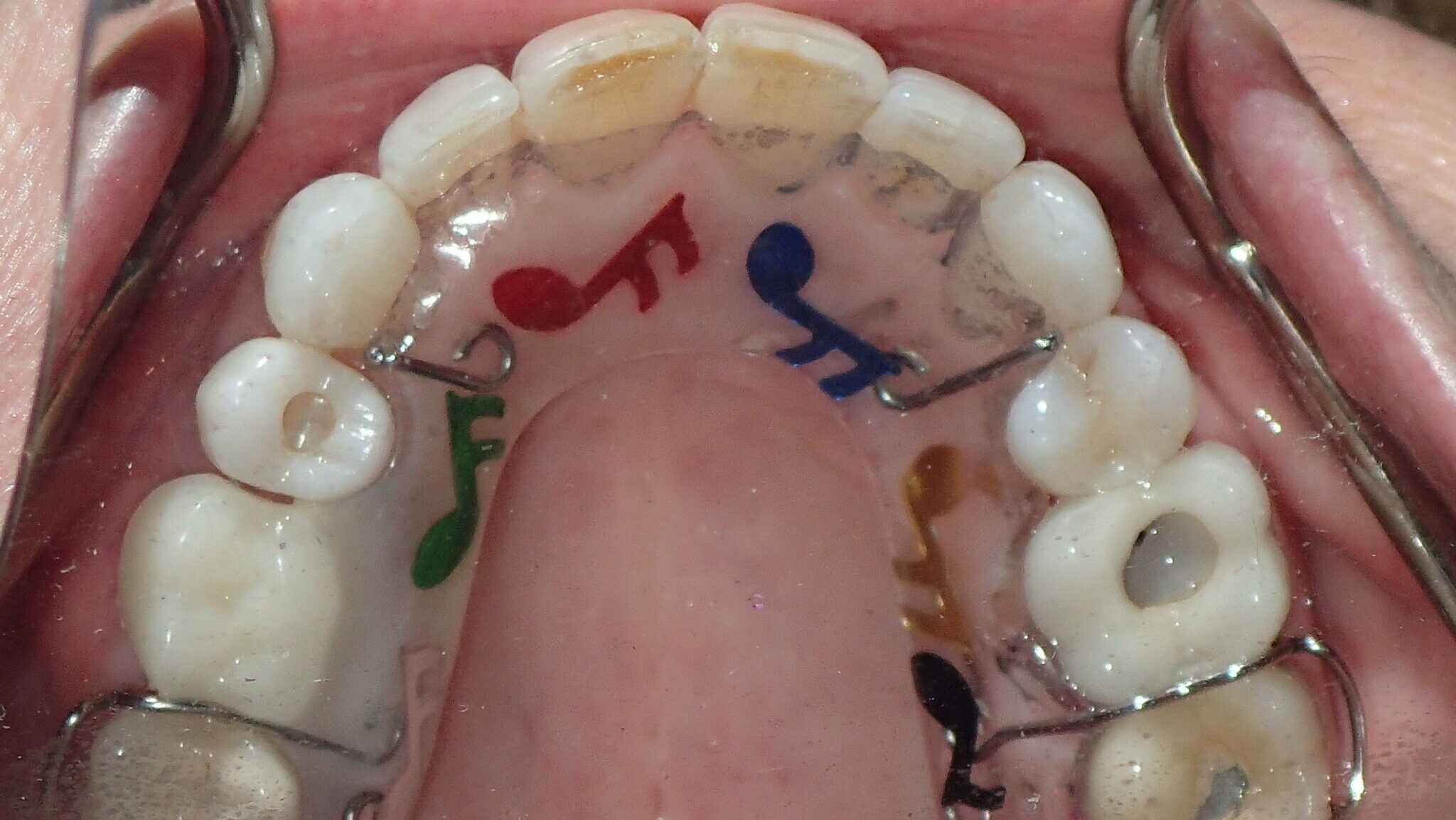
Orthodontic treatment in young children with innovative soothers: A case series

Summary Dental malpositioning, such as anterior open bites, posterior crossbites, and functional disruptions, such as persistent infantile swallowing patterns, are common in young children. These conditions are often caused or exacerbated by habits like thumb sucking or the use of baby bottles. This case series aims to demonstrate the effects of a new type of … Read more

Shwachman-Diamond Syndrome: A review of symptoms and implications for dental management

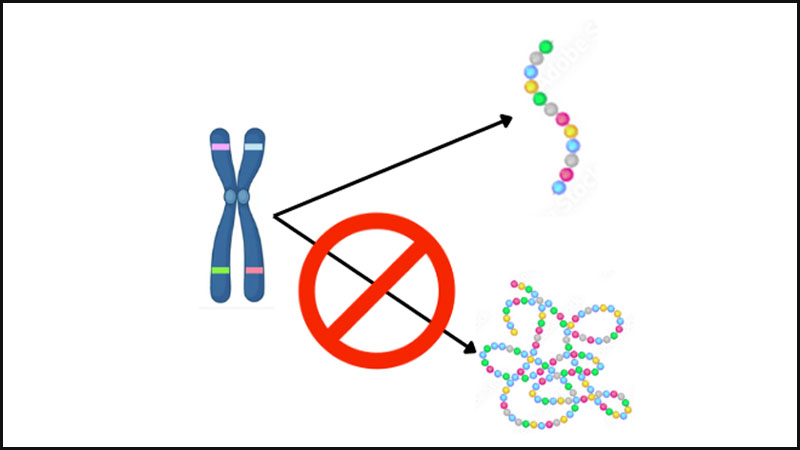
Summary Shwachman-Diamond Syndrome (SDS) is a rare autosomal recessive disorder characterized by various systemic manifestations, including pancreatic insufficiency, bone marrow dysfunction, and skeletal abnormalities. The dental management of patients with SDS is an emerging area of interest and this narrative review aims to provide a comprehensive overview of SDS, its symptoms, and the implications for … Read more