AI-driven drug dosing algorithms

This review summarizes current evidence and future implications on AI-assisted drug monitoring and dosing, AI-based behavioural support and decision-support tools highlighting the impact in dentistry.

This review summarizes current evidence and future implications on AI-assisted drug monitoring and dosing, AI-based behavioural support and decision-support tools highlighting the impact in dentistry.

As the old saying goes, “one man’s meat is another man’s poison.” A medication may be highly effective in one individual, ineffective in another, and potentially harmful in a third. Drug handling by the body varies significantly between individuals, and genetic makeup is one of the major factors contributing to this variability. Pharmacogenomics, a branch … Read more

As Founder, Owner, and CEO of the Jaw and Facial Pain Centre in Toronto, Ontario, Canada, I will highlight the need for effective and safe pain management to ensure a positive patient experience in dental care. With a growing number of people experiencing Temporomandibular Joint Disorder (TMD)—one of the fastest-growing musculoskeletal issues—managing pain has become … Read more
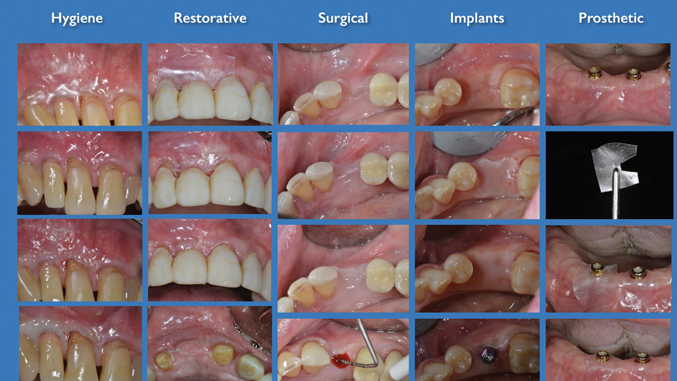
LQS: The missing link in dental anesthesia Introduction: Rethinking the anesthetic spectrum in dentistry For decades, dental anesthesia has existed in two distinct categories: topical anesthetics, which provide mild surface numbing, and injectable anesthetics (carpules), which deliver profound anesthesia but require a needle. Until now, there has been no middle ground—no option that could deliver … Read more

Local anesthetics (LAs) are indispensable in dental practice, providing effective pain management for many procedures. Their administration is generally safe; however, dentists must remain vigilant regarding potential adverse events, some of which, though rare, can be severe. This article delves into the safe use of local anesthetics in dentistry, emphasizing the importance of preventing and … Read more

Background In the ever-changing world of healthcare, innovation often arises from blending diverse fields and exploring unconventional approaches. Dr. Louis Bourget exemplifies this with his groundbreaking work at the crossroads of medicine, physiology, and veterinary science. With a strong foundation in physiology and extensive experience in areas such as dental surgery and facial reconstruction, Dr. … Read more

The February 2024 issue of Oral Health printed an article titled “Anesthetic Considerations for Patients Taking Glucagon-Like Peptide-1 Agonists” co-authored by Dr. Lucia Santos, Dr. Bruce Pynn, and me. At that time, the use of glucagon-like peptide-1 receptor agonists (GLP-1RAs), like Ozempic® and Wegovy™ for weight loss, as opposed to its original indication of the … Read more

Over the next 20 years, Canada’s senior population is expected to grow by 68%, with the group aged 75 and older doubling to approximately 10.4 million.1 With advancements in dental care, more seniors are retaining their natural dentition into older age, many with complex work including crowns, bridges, implants, etc. For dentists, this demographic shift means … Read more

What’s the chance that a patient faints in my office? Studies have shown that syncope, or fainting, is the most common medical emergency at the dental office.1 The next most common medical emergencies include hyperventilation, mild allergic responses, angina, and hypoglycemia. One meta-analysis showed that dentists experienced an average of 1.2 cases of syncope per year.2 So … Read more
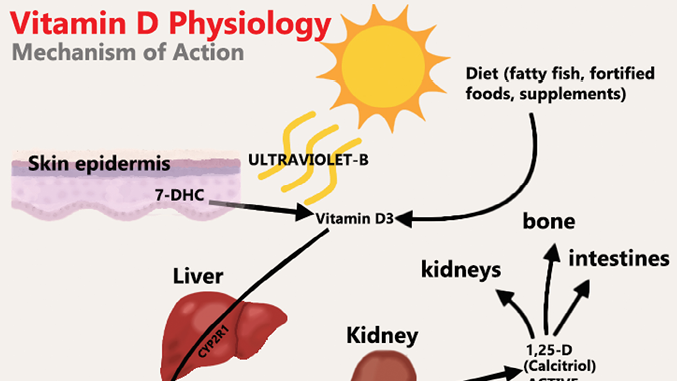
Abstract Vitamin D (VD) is a fat-soluble hormone involved in bone metabolism and calcium homeostasis. VD can be produced cutaneously by ultraviolet-B (UVB) irradiation or consumed in the diet. VD is essential for proper bone and tooth development, and its deficiency is prevalent worldwide. Through its effects on bone, VD is postulated to accelerate the … Read more
Local anesthesia is an indispensable tool in dentistry to minimize the acute pain and discomfort of a myriad of dental procedures. Opioids, both illicit and prescribed, are a class of drug used for chronic and severe acute pain in an outpatient setting. Approximately 14.2% of the population is reported to use narcotics either for pain … Read more
A national strategy for antimicrobial stewardship (AMS) in Canadian dentistry is much needed. While pharmacy and medicine have long been engaged in significant efforts to control the problem of antimicrobial resistance (AMR), dentistry has fallen behind in terms of organizing a concerted strategy to mitigate this critical problem.1 In 2019 alone, AMR directly caused the deaths … Read more
Antimicrobial resistance (AMR) continues to be a critical threat to global health, and the health of Canadians. It is estimated that bacterial AMR was directly responsible for 1.27 million global deaths in 2019 and contributed to 4.95 million deaths.1 AMR is an escalating problem in Canada. Nationally, about 5500 deaths annually are attributed to AMR, 26% … Read more

Afew weeks ago, I was delivering a continuing education session to a group of lovely general dentists, and following my lecture I opened the floor to questions. I found myself in an intriguing situation: a dentist in attendance asked if I had heard about patients taking several Tums before receiving local anesthesia to enhance its … Read more
In addition to financial and physical barriers in accessing care, people living with intellectual and developmental disabilities (IDD) are on a spectrum for their ability to tolerate dental procedures (Fig. 1).3 Oral Health Care Provider’s ability and willingness to treat are factors determining the delivery of oral health care. Many oral health care providers feel they … Read more
Cardiovascular disease (CVD) encompasses illnesses of the heart and blood vessels.1 Worldwide, amongst all the CVDs, coronary heart disease (CHD) is leading cause of mortality and loss of Disability Adjusted Life Years (DALYs) globally.2,3 In Canada, approximately 2.6 million people aged 20 and above are diagnosed with heart disease.4 Although mortality in patients with known heart disease has … Read more
Epinephrine is the second-most frequently administered medication by dentists as it is present in almost all local anesthetic cartridges. Epinephrine is an endogenous hormone released from the adrenal medulla. Its main function is to support the body in times of physiologic stress by increasing cardiac output and glucose delivery to tissues.1 Within dentistry, epinephrine serves … Read more
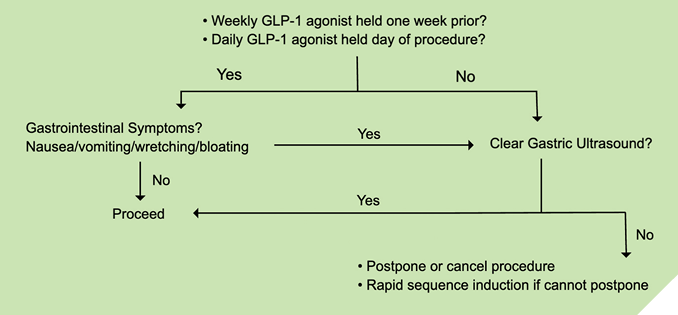
Semaglutide, more commonly known by the brand names Ozempic®, Rybelsus®, and Wegovy™ is a glucagon-like peptide-1 (GLP-1) agonist that has been used for several years in the management of type 2 diabetes mellitus (T2DM). Ozempic® and its cousins are recognizable names now because of their role in weight loss programs. The first GLP-1 agonist was … Read more
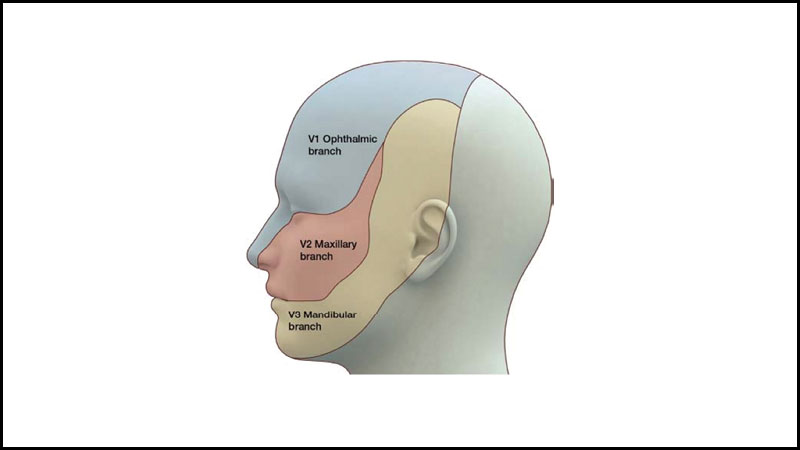
The maxillary nerve (V2) block via the greater palatine canal is a technique for providing profound anesthesia of the hemi-maxilla. However, many dentists lack confidence with respect to administering the maxillary block, as they are relatively unfamiliar with the anatomy of the region as it relates to this method. It has the advantage of obviating … Read more
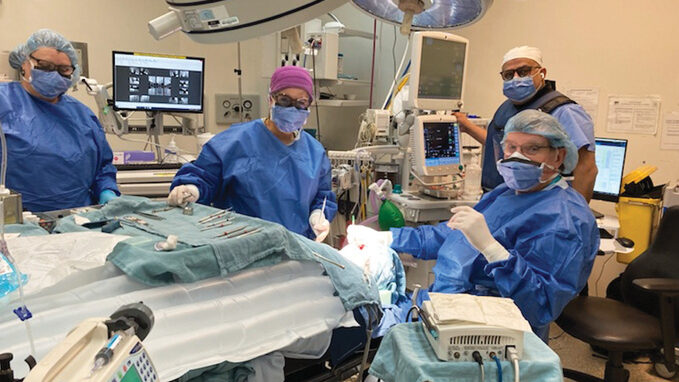
On December 14, 2023, the Royal College of Dental Surgeons of Ontario (RCDSO) published a document entitled “Best Practices for Orthognathic Surgery in Out-Of-Hospital Facilities” (referred to as the “Best Practices Document” in the rest of this article), in which it specified a recommendation that, “[t]he general anaesthesia is administered by a medical anesthesiologist…” but … Read more