
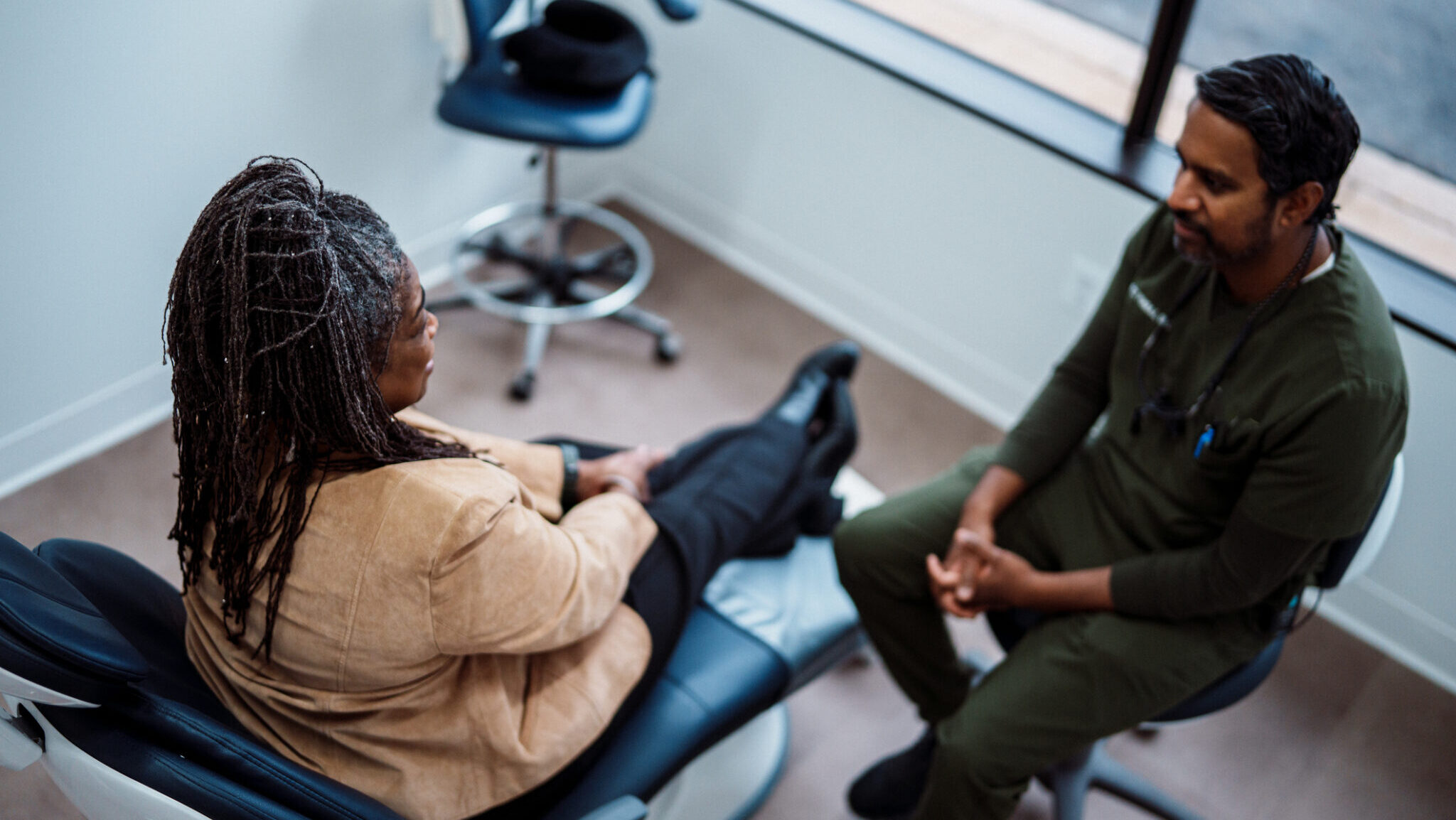
Staying connected with patients is essential for providing high quality oral healthcare. Dental practices thrive when communication is clear, relationships are strong, and patients feel informed about their treatment plans. Engagement supports better outcomes by helping individuals understand their oral health needs and feel confident about reaching out when concerns arise.
Communication that builds trust
Clear communication is the foundation of strong patient engagement in dental settings. Patients often feel anxious about dental visits, and open communication can ease concerns before they escalate. Appointment reminders, explanations of procedures, and timely updates about treatment plans help patients feel prepared and supported.
Dental teams can strengthen communication by using simple language during explanations and checking that patients fully understand. Educational materials, visuals, and follow-up summaries reinforce key information and reduce confusion. When patients leave a visit knowing exactly what to expect, they are more likely to adhere to recommendations and return for future care.
Two-way communication is equally important. Patients should have easy ways to contact the office with questions. Safe messaging platforms, quick phone support, and clear response policies help patients feel valued and connected. This accessibility reduces unnecessary stress and encourages ongoing dialogue between patients and dental teams.
Making care accessible and convenient
Accessibility plays a key role in maintaining long-term engagement. Dental offices can support patients by offering appointment times that fit varying work schedules, including early morning or occasional weekend slots. Efficient check-in procedures, digital forms, and online scheduling make visits easier for busy families.
Virtual consultations, now common in many healthcare fields, also benefit dental practices. While not all concerns can be evaluated remotely, virtual discussions can help assess symptoms, review treatment questions, or determine whether an in-office visit is necessary. These conversations create continuity between appointments and reduce uncertainty for patients who may feel unsure about new symptoms or follow-up care.
For individuals who need ongoing support, some dental offices incorporate elements of concierge care management into their communication strategies. This approach focuses on personalized coordination, frequent check-ins, and guiding patients through complex treatment plans. While this model varies across practices, the goal remains the same: helping patients stay informed and confident throughout their oral health journey.
Supporting preventative care through engagement
Preventative care is at the heart of dentistry. Engaged patients are more likely to attend routine cleanings, maintain healthy habits, and report changes early. Consistency often reduces the need for extensive procedures and helps maintain strong oral health over time.
Dental teams can reinforce preventative habits by sharing tips on brushing technique, flossing methods, and dietary choices that influence oral health. These conversations build a sense of partnership between provider and patient. Seasonal reminders, educational newsletters, and personalized recommendations help keep patients on track.
Engagement also plays a role in early detection. When patients feel comfortable communicating with their dental office, they are more likely to mention sensitivity, gum bleeding, or irregularities that may indicate early issues. Quick reporting contributes to faster diagnosis and less invasive treatment.
Reducing anxiety through meaningful interaction
Dental anxiety affects many individuals, often leading to postponed appointments or skipped treatments. Positive engagement can reduce anxiety by creating a supportive environment before, during, and after visits. Friendly staff interactions, clear explanations of procedures, and opportunities for patients to ask questions help build reassurance.
Some dental offices offer calming techniques such as breathing exercises, distraction tools, or quiet waiting areas. These elements are more effective when paired with strong patient engagement, because patients who feel heard and respected tend to experience less stress overall. Simple check-ins after procedures also show patients that their comfort is a priority, fostering long-term trust.
Personalizing the patient experience
Personalized engagement creates a more meaningful connection between patients and dental teams. Remembering patient preferences, past concerns, or previous treatment experiences shows attention to detail and empathy. Personalized notes in patient records help staff provide consistent care across appointments.
Discussing long-term oral health goals is another way to build engagement. Some patients aim to reduce sensitivity, while others focus on cosmetic improvements or maintaining gum health. Understanding these goals helps providers recommend appropriate treatment paths and create a collaborative care environment.
Empowering families and caregivers
Family involvement strengthens engagement. Clear guidance about home habits, developmental milestones, and follow-up needs gives families the confidence to support daily oral care. Visual aids, simple instructions, and hands-on demonstrations during appointments improve understanding and build trust.
Caregivers of elderly patients benefit from clear communication about medication interactions, denture care, and oral hygiene techniques. These conversations play an important role in preventing complications for individuals with changing health needs.
Staying connected through patient engagement allows dental teams to guide individuals toward better oral health with confidence and clarity. By fostering communication, accessibility, and personalized care, dental practices support long-term wellness for every patient they serve. For more information, look over the infographic below.

About the author

Andrew Bonner is Director of Marketing at Specialdocs Consultants. Bonner has over 15 years of marketing experience in the healthcare industry. Prior to joining Specialdocs, he served as Marketing Director for two mid-sized physician groups, driving significant growth through successful lead acquisition, customer engagement and ad creation/placement strategies. Bonner is committed to improving the professional and personal lives of physicians ready to make the transition to the Specialdocs concierge model.