
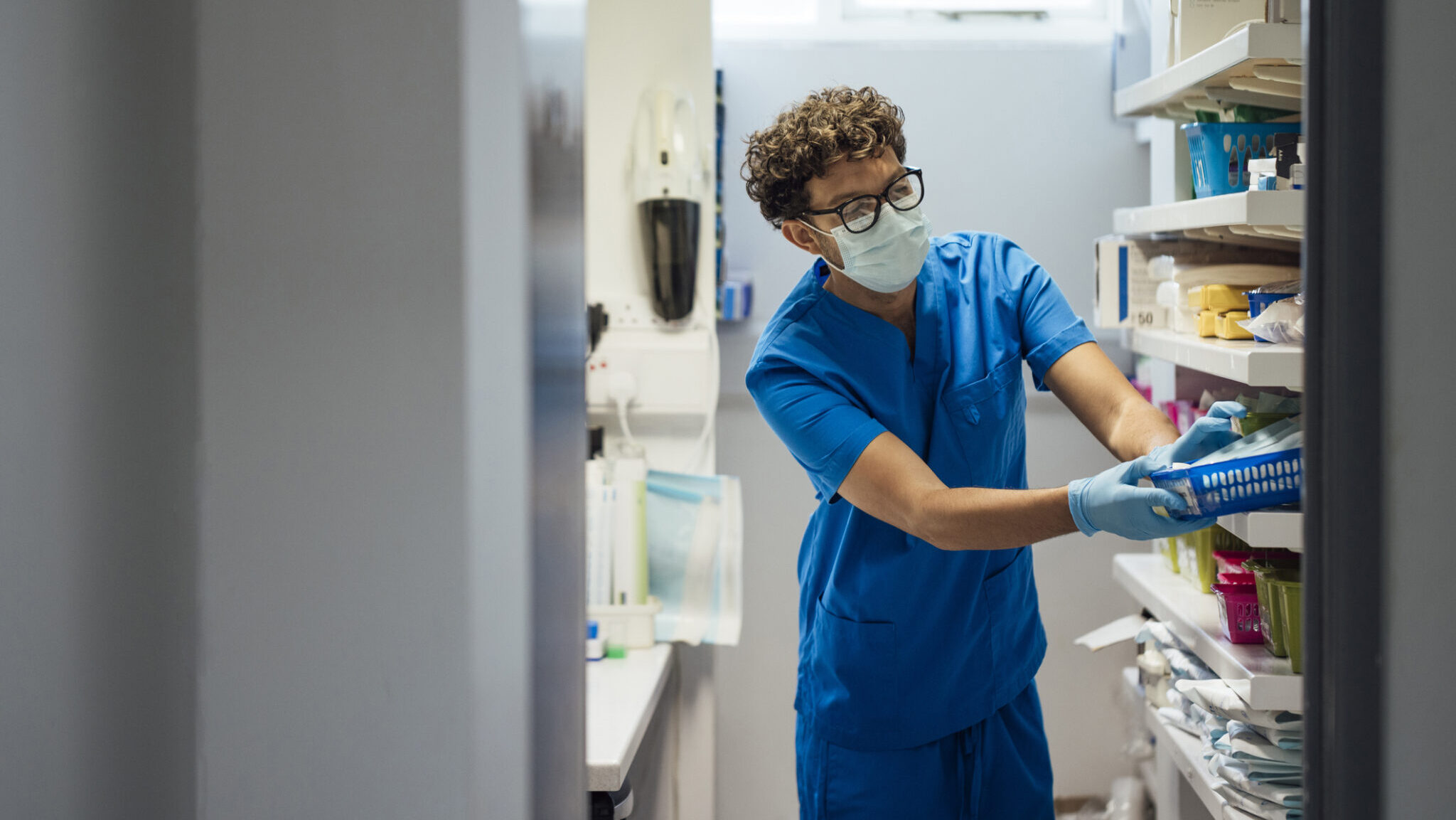
There are more risks to practising dentistry than most people recognize. Dentistry necessitates the use of sharp instruments and drugs, while practitioners undergo close patient contact and high levels of stress. The risks present themselves in many forms, making protective equipment and protocols essential.
Fortunately, there are ways to mitigate the risks associated with practising dentistry and maximize safety in the dental office. Every year, dentists gain access to more high-tech solutions designed to improve safety practices. Here are some technological advancements that dentists might consider integrating to keep their offices safe and secure.
High-Tech PPE
Personal protective equipment (PPE) is essential for protecting staff and patients from germs, chemical spills, and other potential hazards in the dental office. Typical PPE for dentists includes gloves, scrubs, masks, and eyewear. However, the industry is changing fast.
While many dentist offices will continue using the same inexpensive PPE that has been available for decades, cutting-edge dentistry practices may consider adopting more technologically advanced protective equipment. The future of PPE is bright, and dentists can introduce many exciting innovations to their practices, including:
- Sensors and IoT integrations allow PPE to track certain factors, like heart rate or body temperature. This new technology can help dental staff monitor patient vitals noninvasively or better recognize their own need for a break.
- Augmented reality (AR) can overlay visual information, like patient X-rays, onto the present field of view in form factors like headsets and eyewear. AR can improve the accuracy of dental procedures, reduce patient discomfort, and improve outcomes.
- Advanced PPE materials – like advanced polymers and nanoparticle fabrics – offer peerless durability, ensuring no more torn gloves or shattered face masks. Some materials have self-cleaning properties through hydrophobic surfaces and other means.
PPE works wonders, but it isn’t always enough to mitigate the potentially hazardous substances that dental providers often encounter. Even high-tech PPE can be enhanced with additional tech used to clean the dental environment.
Air Filtration
Air pollution in dental offices is frustratingly common; between various off-gassing chemicals and patients with wide-open mouths, the air can be filled with disease, drugs, and various other dangerous compounds. To combat this ever-present threat, dentists should consider implementing technologies to trap contaminants and purify air.
There are many different air filtration methods, but the most high-tech solution – and arguably the best option for dental offices – are multi-stage air filtration systems, which trap all types of contaminants. These filters combine electrostatic precipitators, UV filters, and more to keep the air free from viruses, gases, and allergens.
Cleaning Microbots
The mouth is a dirty place, so dental practices make an extra effort to keep the premises properly sterile. Most offices have staff dedicated to rigorous cleaning procedures, such as regularly disinfecting and dusting patient-accessible areas and sterilizing equipment. These cleaning processes are time-consuming and arduous, requiring specialized cleaning professionals and costly resources to ensure every surface is contaminant-free.
But what if there were an even easier way to keep dental settings spotless? A new technology using magnetic microbots targets and breaks down specific biofilms known for causing contamination. Microbots, designed exclusively for dental care, are particularly useful for cleaning hard-to-reach areas between teeth. There may be a future wherein microbots are used for all sorts of cleaning and sterilizing processes across healthcare settings.
Staff Training
The most effective way to reduce risk around the dental office is to ensure that staff are adequately trained in safety procedures and protocols. While other high-tech solutions for improving safety may be expensive or inaccessible to many smaller practices, staff training is easy and affordable – even when it harnesses the latest technologies.
Dental offices should provide access to online training courses to ensure that dentists, hygienists, dental assistants, and other team members have unlimited access to the information they need to maintain a safe, healthy workplace. Offices may produce their training materials using online eLearning platforms or take advantage of existing courses and other educational resources designed for the industry.
Safety Culture
Offices can reinforce continuing education efforts and cultivate a culture of safety. Clear corporate cultures help coordinate the thoughts and behaviours of staff; when a culture is focused on safety, staff work harder to uphold safety protocols.
An example of a safety culture at work would be ensuring all staff understand the proper disposal of sharp instruments and needles in specially designed containers. In a dental office with a safety-minded culture, sharps containers would be readily available in all spaces, and staff would not need to be reminded which instruments require this special care.
Government regulations require specific safety practices within dental offices to ensure that patients and staff are not exposed to an overwhelming and unnecessary risk. Still, many dental offices can do more to reduce the potential for harm for both staff and patients alike, thanks to existing and emerging technologies.
About the Author

Katie Brenneman is a passionate writer specializing in health, career management, and education-related content. When she isn’t writing, you can find her nose buried in a book or hiking with her dog, Charlie. To connect with Katie, you can follow her on Twitter.