
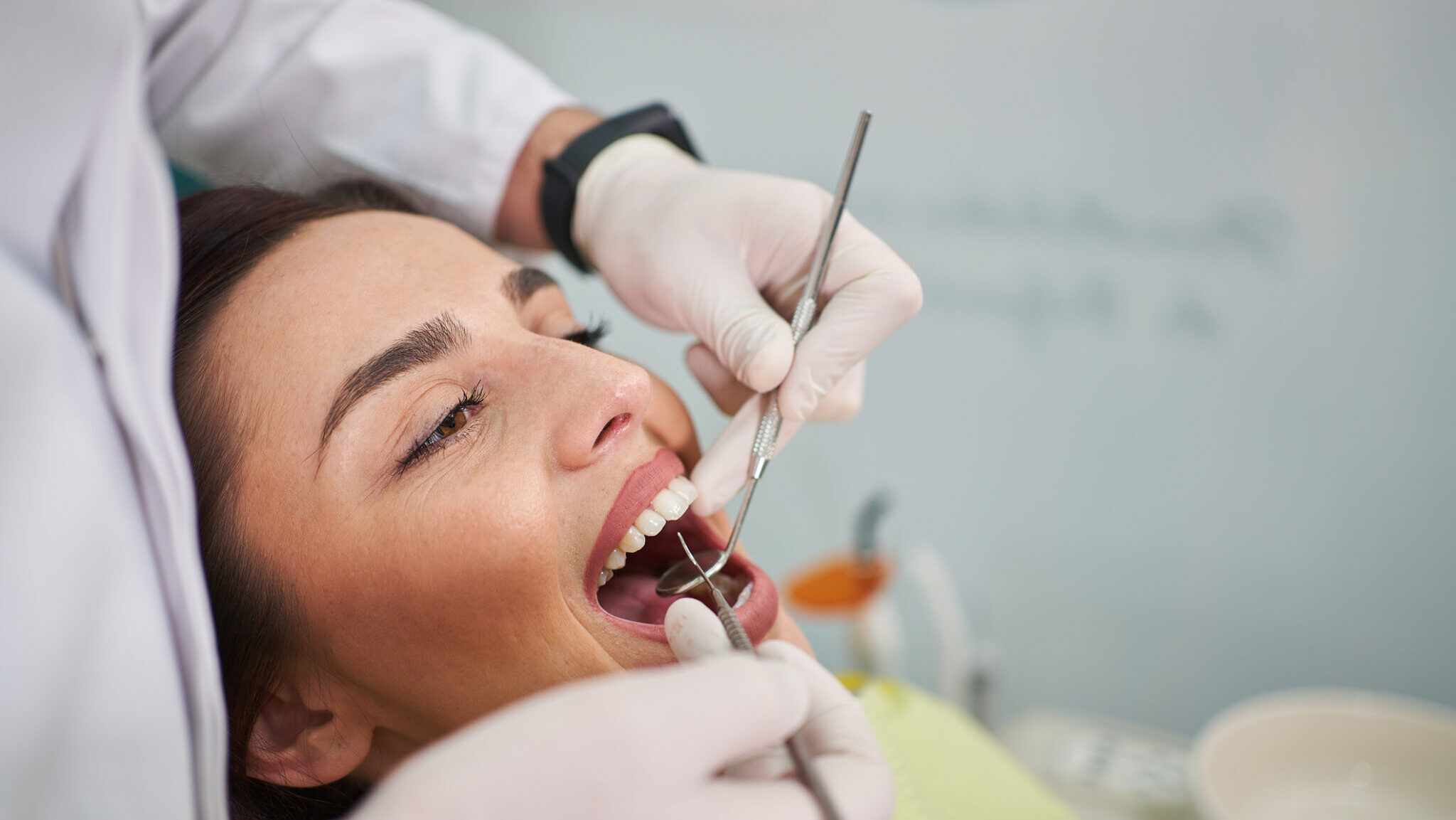
The dental industry is constantly evolving, integrating new technologies and methodologies to advance preventive care. For dental professionals, keeping pace with these developments is essential, not only to improve patient outcomes but also to remain competitive in the health care sector.
Below, we’ll explore ten emerging trends in preventive dental care and the impact they’re having in the field.
1. Teledentistry: Expanding Access to Dental Care
Teledentistry has become a critical component of modern dental practice, particularly after its widespread adoption during the COVID-19 pandemic. This technology enables consultations and follow-ups via digital platforms, providing timely care without the necessity for in-person visits. This advancement has proven to be crucial in improving dental care accessibility in rural or underserved areas, allowing for regular advice and early detection of potential issues through virtual examinations.
2. Advanced Imaging Technologies: Enhancing Diagnostic Precision
Innovative imaging techniques – such as cone beam computed tomography (CBCT) and advanced digital X-rays – have revolutionized dental diagnostics. These methods deliver unprecedented clarity and detailed views that assist dentists in identifying issues early and with greater precision. Such early detection is vital as it facilitates timely interventions that preserve oral health and reduce the necessity for more invasive treatments later.
3. Artificial Intelligence and Machine Learning: Transforming Diagnostics and Treatment Planning
Artificial intelligence (AI) and machine learning are transforming dental diagnostics and personalized treatment planning. These technologies process extensive datasets to identify trends, predict dental health risks, and formulate preventative strategies customized to individual patient profiles. AI is also making great strides in increasing the precision of dental restorations and in predicting treatment outcomes, quickly making it an indispensable tool in modern practices.
4. Natural and Biocompatible Materials: Focusing on Holistic Dental Health
The preference for natural and biocompatible materials in dental applications is growing. These materials are designed to integrate seamlessly with the human body, minimizing allergic reactions and improving the outcomes of treatments. This trend supports superior oral health and aligns with increasing patient demand for natural and sustainable health care solutions.
5. 3D Printing: Customizing Preventive Care
3D printing technology has revolutionized the production of dental appliances, such as mouth guards, retainers, and temporary crowns. This technology enables the precise customization of devices to individual specifications, significantly enhancing the effectiveness of preventive measures as well as patient comfort.
6. Laser Dentistry: Minimally Invasive Prevention
The adoption of lasers in dental procedures is on the rise, providing a minimally invasive alternative to traditional tools. Lasers are used for a variety of preventive measures, including early cavity detection and non-invasive gum disease treatment. The precision and reduced trauma of laser technology help lessen patient discomfort and hasten recovery, improving patient experiences and outcomes.
7. Genetic Testing: Proactive Risk Management
Genetic testing has emerged as a valuable tool in preventive dentistry, enabling dentists to identify patients at increased risk for specific conditions, such as periodontal disease and cavities. This information allows for the customization of preemptive care plans tailored to individual genetic profiles, thereby boosting the effectiveness of interventions and preventing the progression of severe conditions.
8. Nutritional Counseling: Diet as a Tool for Prevention
Nutritional counseling is becoming an integral part of comprehensive preventive strategies in many practices. Dentists and nutritional experts work together to educate patients on the impact of their dietary choices on oral health. This proactive approach promotes healthier dietary habits that support a healthy oral environment, thus reducing the incidence of dental diseases.
9. Interprofessional Collaboration: A Holistic Approach to Dental Health
Along the same lines as nutritional counseling, there is a developing trend towards collaborative care, which sees dental professionals working alongside other health care providers to deliver a more comprehensive approach to wellness. This integrative approach aims to address all factors impacting a patient’s health and promote better overall health outcomes by addressing their root causes holistically.
10. Teeth Whitening: Enhancing Aesthetics and Oral Health
Modern teeth whitening techniques do more than enhance aesthetics; they are also integral to preventive dental care. Advanced whitening technologies and materials minimize enamel damage and sensitivity, encouraging patients to maintain rigorous oral hygiene.
Professional teeth whitening can also motivate patients to pay more attention to their overall oral hygiene. As patients see improvements in their smile, they’re often inspired to keep up good dental care habits and regular check-ups. This aspect of care is crucial for catching oral health issues early while fulfilling patients’ desires for a brighter smile.
Engaging Patients: The Role of Education and Technology
Alongside these numerous technological advancements in treatment, there is a growing emphasis on engaging and educating patients in preventive dentistry. New tools and methods are enriching how dentists communicate with and involve their patients, leading to more effective and comprehensive care.
Virtual and augmented reality
Many offices are increasingly using virtual and augmented reality technologies to make dental health education more interactive and engaging. These tools simulate various conditions and demonstrate the impact of good oral hygiene practices, helping patients understand the importance of taking proactive steps.
Health apps
Health apps are revolutionizing how patients manage their dental care. These apps remind users to brush and floss, track dietary habits and schedule appointments. They also offer personalized tips and allow for direct communication with providers. This facilitates a more consistent maintenance of good oral health practices.
Personalized communications
Advanced software solutions enable offices to send customized messages and educational content tailored to each patient’s specific needs. This personalized communication strategy reinforces the importance of regular dental care and delivers relevant information to help guide patients on their daily oral health routines.
Online resources
Dentists ought to utilize websites, social media, and other online platforms to extend their reach beyond the office. These digital resources offer educational videos, tutorials, and live Q&A sessions, providing patients with accessible and engaging content that encourages them to take an active role in their oral health.
Embracing Comprehensive Preventive Dentistry
As the industry continues to evolve, dental professionals must do more to promote the successful integration of cutting-edge technologies and patient engagement strategies. Not only do these trends work to enhance the effectiveness of preventive measures, but also they foster a more informed and proactive patient base. By staying current with these advancements and implementing them into daily practice, dental professionals could offer superior care and build a foundation for long-term patient health and satisfaction.
References
- https://www.dentaltown.com/blog/post/20470/preventive-dentistry-in-focus-key-statistics-and-trends#:~:text=Technological%20advancements%20in%20preventive%20dentistry&text=Digitalization%20and%203D%20printing%20enable,overall%20quality%20of%20preventive%20care.
- https://www.shenandoahdentalcenter.com/post/new-trends-in-dentistry-embracing-the-future-of-oral-health-care
About the Author

Leah Dunn is a general dentist and the owner of Lamar Dental. She was born in Hattiesburg, MS, and raised in Prentiss, MS. She received her Doctor of Dental Medicine from the University of Mississippi Medical Center and graduated in 2017.