


Burnout is a silent health and productivity killer.
One day you’re managing fine, the next you’re staring at your schedule, wondering how you’ll make it through another packed afternoon of procedures. Your loyalty to precision work, patients, and that stack of lab cases begins to waver.
The World Health Organization calls it an occupational phenomenon from unmanaged workplace stress. That’s putting it mildly.
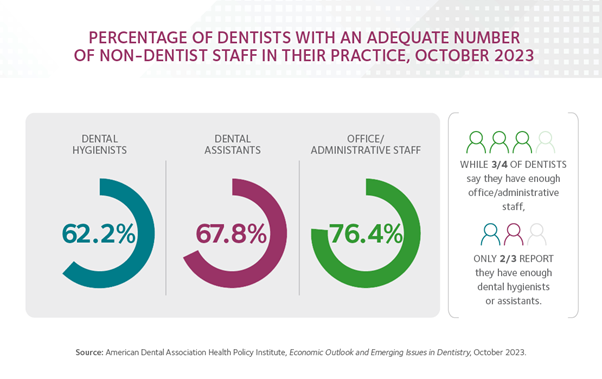
According to ADA’s recent surveys, two-thirds of dentists lack dental hygienists or assistants. This staffing shortage has led more dentists to take on additional tasks. And the consequence of exceeding expectations is that you get burnt out.
When burnout hits, it shows up everywhere. Patients notice when you’re not fully present. Production drops. That usually tight team starts fraying at the edges. Quality of care declines, patients become increasingly frustrated due to poor service, and patient safety is compromised.
In this article, we’ll share 10 employee wellness strategies to help you prevent such outcomes and keep your dental team at its peak.
What are the numbers saying about wellness?
Let’s be honest, wellness programs often sound like corporate fluff. But the numbers tell a different story. According to Zippia’s study, 89% of employees at businesses with wellness programs are more engaged and satisfied with their jobs.
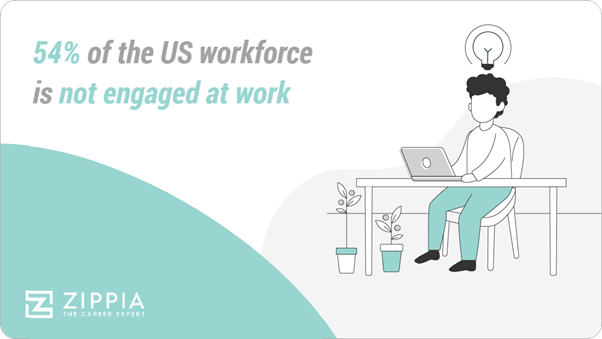
Despite this high figure, only a handful of practices introduce wellness programs into their workplace routine. In fact, the same study shows that 54% of the US workforce is not engaged.
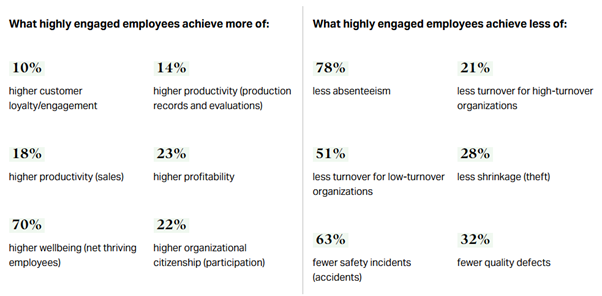
According to Gallup, the benefits of having engaged employees include being 14% more productive, 23% more profitable, and experiencing up to 78% less absenteeism. In healthcare specifically, NHS data showed that staff satisfaction directly correlates with patient satisfaction.
That’s because happy workers are always ready to give their best to patients.
If you’re concerned about the cost of launching a sustained wellness program, Deloitte’s analysis found that such programs, especially those related to mental health, deliver an average annual ROI of CA$2.18. So, technically, these programs pay for themselves. It’s a win-win situation.
72% of employers in Zippia’s 2023 report reported reduced healthcare costs after implementing wellness strategies, and 56% of their employees took fewer sick days.
10 practical wellness strategies to keep your dental teams healthy
Wellness is no longer a negotiable option. Your dental brand can only achieve those ambitious goals when your employees stay at their peak. Let’s explore how to keep them in that state.
1. Introduce leadership training and development
Being a good dentist or dental professional does not make you a good leader. Good leadership in a dental practice is about catching that your hygienist seems off before she burns out completely. It’s knowing when to jump in and when to step back.
If you want to prevent burnouts, introduce leadership training and focus on:
- Spotting early warning signs, like the assistant who stopped chatting during setup, or the front desk person who’s suddenly calling in sick
- Creating an atmosphere where people actually tell you what’s wrong
- Learning to delegate without micromanaging
Ken Chartrand, CEO at Encore Business Solutions, frames leadership training as a systems problem rather than a personality trait only.
“Most leaders are not failing because they do not care. They are failing due to a lack of visibility into workload patterns, absenteeism trends, and team feedback. So, besides teaching your leaders how to spot the warning signs, equip them with integrated systems, from CRMs to workflow dashboards, reflecting real-time workers’ activities and valuable data. You should be able to see when an employee takes a dozen fewer patients than the week before, or when sick leave spikes. This enables leadership to become proactive instead of reactive.”
Additionally, incorporate a culture where people can actually have honest conversations, not just “how’s it going?” in the hallway. This might be something like “What sucked about this week?” The responses to this question can help you fix workflow problems you didn’t know existed.
2. Implement regular team meetings
Nobody wants another meeting. But a good huddle is essential and can prevent a dozen misfires or errors throughout the day. The trick is to keep each huddle short and actually useful.
For instance, you can use a sprint-tailored huddle schedule like this:
- Morning huddles: 5 minutes max. Who’s coming in anxious? Any tricky handoffs? Where are the potential bottlenecks?
- Weekly check-ins: 20 minutes. What broke this week? What can we fix before it breaks again?
- Always end with something positive. Not fake cheerleading, but genuine wins and shoutouts to everyone.
You can also start your morning huddles by measuring stress level on a scale of 1-10. Simply ask your team to rate how far pulled they are and why. When multiple people hit 7+ due to workload, shuffle the schedule to spread the load.
Devise similarly effective solutions to address other reasons. Simple to keep your team from hitting the wall by lunch.
3. Offer flexible work schedules
The traditional Monday-through-Friday, 8-to-5 schedule works excellently if your team workers are robots. But they are not. For people with children, aging parents, or simply different energy patterns, give them the luxury of flexibility.
When you let a morning person start at 7 AM and leave at 3 PM, and your night owl works 10 AM to 5 PM, everybody wins.
Patients get better care from people who aren’t forcing themselves to function at the wrong time. Your team’s productivity and revenue grow. Employees stay at their peak.
Besides splitting shifts for coverage based on peak productivity time, here are more flexible options that work in dental:
- Four 10-hour days, popular with hygienists who want long weekends
- Fairly delegate jobs for front desk positions, based on each person’s capacity rather than task availability
- Publish team schedules further in advance so people can actually plan their lives
You can also build in buffer time so that one emergency doesn’t derail everyone’s lunch.
4. Creating a wellness-focused workplace environment
Your operational setup either supports your body or slowly destroys it. However, most practices focus on patient comfort and spend thousands on the reception area, forgetting about the staff who work there 40+ hours a week.
Then they wonder why staff eat lunch in their cars. If you want to put your money in the right place, start with rebuilding your employees’ workspaces.
For instance, consider:
- Loupes that don’t destroy your neck
- Stools that actually support your back
- Adjustable lighting, not just fixed overhead fluorescents
- A break room that feels comfortable, seating, no work talk allowed
- Plants, windows, anything that reminds you there’s a world outside
You can paint your sterilization room a calming blue to reduce sensory fatigue. Or tune in to soft background audio or a podcast to make repetitive tasks feel lighter. And the ergonomic seats? Nothing can replace them if you want to reduce your team’s physio visits.
5. Encourage physical activity
Dental work is weird: physically demanding but mostly sitting. The truth is that your shoulders know the truth even if your step counter doesn’t. And when you ignore demands over time, you or your team members are just one step away from calling in sick.
That’s why encouraging physical activity is essential. Skip the corporate wellness challenge nuances and implement simple steps like:
- Taking two stretch breaks per half-day. Set a timer.
- Walking during case presentations or one-on-ones.
- Subsidizing something people will actually use, such as yoga, gym, and massage subscriptions.
Uncommon, but you can also make your stairs more appealing than the elevator by adding music, colour, and playful signage. This will encourage your team members to take the stairs instead of rushing to take the elevator.
For more efficiency, Wang Dong, Founder of Vanswe Fitness, emphasizes the need to bring your gym in-house.
“Paying for gym subscriptions outside the workplace is a great option. But ensuring they actually attend those gym sessions is an uphill task. It’s more efficient to create a space within your work area where members can let off steam. For instance, a simple cardio bike at the balcony space where workers can do a quick 2-minute pull on a cardio bike to relieve muscle rigidity from sitting long. It’s a short devotion which you can monitor and even monetize to encourage participation.”
6. Mental health support and resources
Dental teams handle anxious patients throughout the day while managing their own stress. That math doesn’t work in the long term and leads to breakdowns over time.
Gender-wise, more females suffer from mental breakdowns at their workplace. According to SHRM, 11% of leaves of absence were due to mental health issues. Several factors contribute to this, including unequal household responsibilities even in a dual-earner household, women shouldering more caregiving and parental responsibilities, and pay inequality.
As an employer, you can integrate more paid mental health leaves, offer caregiving and child care benefits, introduce employee assistance programs, organize mental health programs, and encourage free expression when your employees are experiencing a breakdown.
Give women more paid maternity leave, along with other opportunities that help them balance work and home stress without getting overwhelmed.
In addition, Ryan Beattie, the Director of Business Development at UK SARMs, believes mental support must include access to essential resources.
“The problem is not the solution but the cost. Inaffordability leads to inconsistency. You can reduce breakdowns by enabling free access to mental health apps, providing vetted mental health resources, subsidizing or covering costs for vitamins and boosters when requested, and providing basic physiological support in the workplace. When support is accessible and normalized, people stop waiting until they are already burnt out to act,” Ryan says.
What also helps:
- Access to real counselling, for instance, through insurance or an Employee Assistance Program (EAP)
- Mental health days that aren’t questioned or guilt-tripped
- Practical stress management training, like de-escalating anxious patients, setting boundaries with last-minute add-ons, and knowing when to take routine resets
To make this effective, you can set up a company-sponsored quarterly stress workshop led by a credible therapist. Make attendance optional but incentivized enough to encourage participation.
7. Encourage continual education and skill enhancement
Doing the same procedures the same way for years breeds boredom. Boredom breeds burnout. Your employees can no longer find the thrill in meeting deadlines, which negatively affects productivity.
That’s why you need to ensure continuity of learning. Here’s how:
- Fund self-growth courses that interest your employees, not just what’s required
- Bring training in-house for common frustrations and absent competencies
- Let team members teach each other new skills
- Connect learning to real improvements in daily work
- Round the quarter up with surveys or roundtable meetings of skills learnt
For each significant enhancement, help your employees transition into a new role or take on additional responsibilities without underpaying or overworking them.
8. Foster community and connection
When your coworkers are just coworkers, bad days feel worse. Even the office feels like a dead space, and every little sound an employee makes disrupts the sacred atmosphere and attracts hostile glares.
Eventually, the workspace becomes overly formal and siloed. Working hours long without building a good conversation vibe results in boredom, or even worse, boreout. An unhealthy crashout.
Productivity-wise, teams that don’t communicate cannot collaborate. To avoid that, you need to encourage relationship building:
- Celebrate real milestones, publicly, and not just birthdays
- Share lunch once a month, phones off
- Pair new hires with someone who remembers being new
- Do something together that isn’t work
- Hold quarterly or monthly team-building games
For instance, you and your team can volunteer monthly at a community clinic. It’s like working together to achieve the same result but in a different context, and outside the usual workspace.
9. Implement regular feedback and recognition systems
People need to know they matter. Not only in an “employee of the month” poster way, but genuinely.
Check weekly reports and see who’s helming the ship among your coworkers or employees. Give a public shoutout to them, highlighting how they’ve helped if possible. Whenever your dental brand receives a compliment, ensure it reaches the employee who delivered that service.
To be effective, make recognition:
- Specific and timely
- Peer-driven, not just top-down
- About effort and teamwork, not just outcomes
- Part of your regular rhythm, not an afterthought
Encourage each member to commend one another on general performance or teamwork, regardless of the group’s size. It could be a simple ‘Thanks to Amy for staying late to help me catch up on sterilization.’ Small details, but they change everything. This fosters a gratitude-centred work culture rather than unhealthy competition.
Recognition shouldn’t just be symbolic, Shan Abbasi, Director of Business Development at PayCompass, advises.
“Track weekly contributions, call them out publicly, and attach them to something concrete like monetary bonuses, extra time off, or small financial incentives. While businesses focus on milestone-related compensations, you can focus your financial incentives on behavioural achievements. Like using the in-house gym twice a week, the most relaxed icon of the week, etc.”
10. Encouraging personal self-care practices
Self-care isn’t always about spa days and green juice. It includes the small stuff that keeps you functional. For instance, eating lunch away from your work desk or office. On the balcony, or somewhere really quiet enough for you to enjoy the munching sounds alone.
For your dental team, it could also involve:
- A two-minute reset between difficult patients. You need that break to keep your sanity.
- Leaving work at work. Those charts will be there tomorrow. Or you can simply pull it up from the records.
- Protecting your mornings or evenings for something that fills you up.
The two-minute reset is a one-minute breathing exercise between patients, followed by a one-minute quick sip of juice. It’s like hitting a reset button eight times a day.
Conclusion
Burnout isn’t inevitable.
It’s what happens when we ignore the warning signs and push through anyway. Preventing it comes down to action. Build recovery into schedules, encourage purposeful exercises, and train teams to manage stress in real clinical situations.
Also, create spaces where staff can mentally switch off, review what drains energy most, fix it deliberately, and follow through consistently. Hold daily or weekly huddles with a pre-huddle check-in to understand how stressed each team member is.
A healthy team makes a productive team and leads to a successful dental business.
About the author

Jesse is a professional writer whose aim is to make complex concepts easy to understand. He strives to provide quality content that assists people in everyday life.